12 Dec 2025
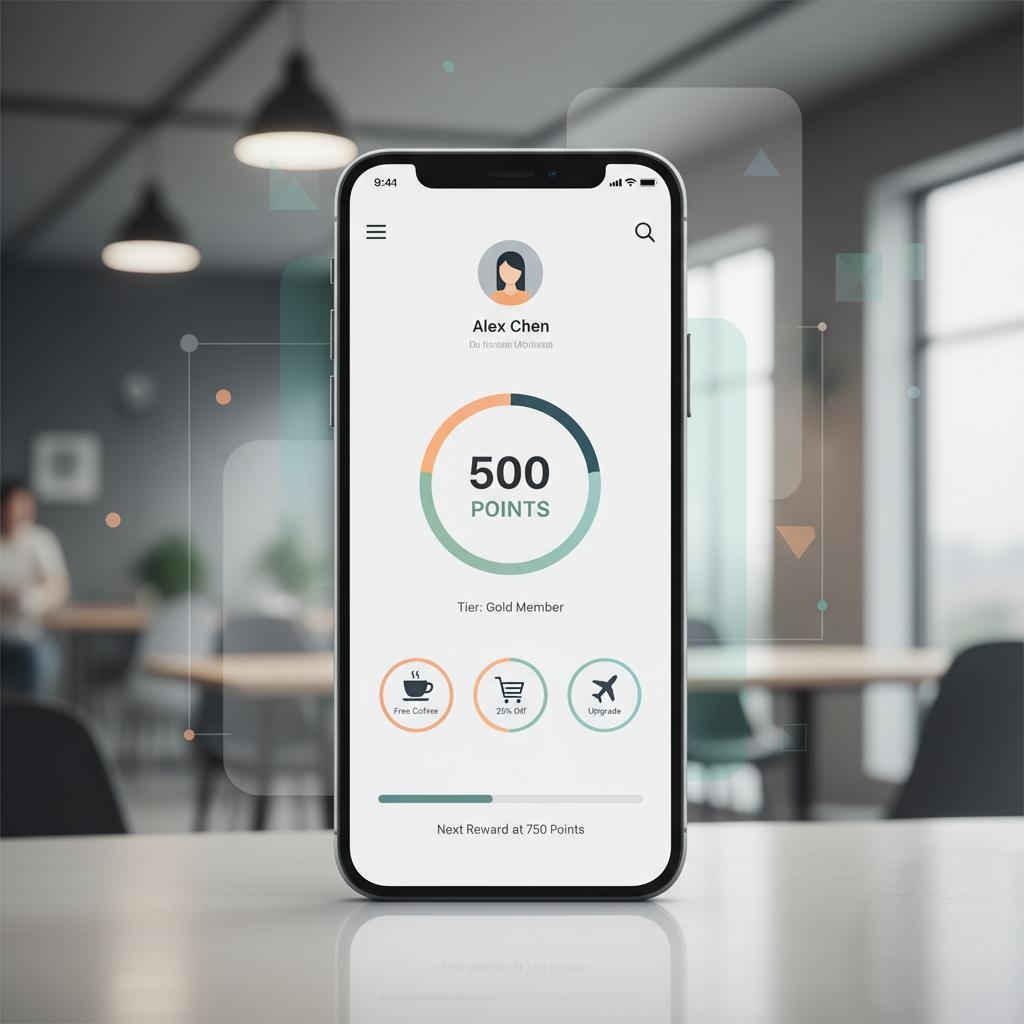
Imagine a customer walking into your café, salon, restaurant or shop, ordering something, then glancing at their phone as they receive a digital stamp or reward point—and smiling because they know a free treat or special perk is waiting for them down the line. That simple moment, repeated over time, can turn a casual visitor into a loyal regular. In today’s world, a strong loyalty programme can be one of the most powerful tools a small or medium business has to thrive — and digital loyalty apps are changing the game entirely.
In this post I explore why a digital loyalty and rewards programme makes sense for modern businesses, how it works, and what you should look for when considering one. My aim is to help business owners, coffee shop managers, salon operators or startup founders understand the real value behind a well-designed loyalty system — without a hard sell.
At its core, a loyalty programme is a structured system of incentives that rewards customers for repeat business. Instead of treating each visit or purchase as a one-off event, you build a relationship over time, giving customers reasons to return — by earning points, stamps, or special rewards for every purchase or visit.
In the digital age, loyalty programmes have evolved far beyond plastic cards or paper punch-cards. Modern solutions integrate seamlessly with mobile apps or backend systems so that customers earn and track their rewards automatically. This not only reduces friction for customers, but also gives businesses deeper insight into purchasing behaviour, preferences, and trends.
The underlying logic behind loyalty programmes is grounded in long-term customer retention. Acquiring a new customer can cost significantly more than retaining an existing one. By rewarding repeat visits and purchases, businesses encourage customers to stick around.
For customers, a loyalty programme provides a sense of value, recognition, and reward. Instead of just buying something, they feel they are investing in a relationship, earning benefits with every transaction — which can lead to increased satisfaction and a stronger emotional connection to the brand.
Implementing a digital loyalty system can unlock a range of benefits for businesses across different sectors — from coffee shops and salons to restaurants and retail stores.
One of the most significant advantages is increased customer retention. Loyalty programmes encourage repeat visits, turning occasional customers into regulars. In many cases, businesses with strong loyalty strategies enjoy lower churn rates and more predictable revenue.
Closely related is the increase in customer lifetime value. When customers are rewarded for repeat business, they tend to spend more over time. A well-designed programme can motivate customers to increase their purchase frequency or spend more per visit to earn rewards faster.
Loyalty programmes also boost average order value. By setting thresholds, milestone rewards or incentives for higher spending, businesses can encourage customers to buy more than they initially planned — perhaps adding more items, upgrading to premium services, or trying new offerings.
Beyond direct revenue metrics, loyalty programmes can strengthen brand identity and customer relationships. Customers who feel appreciated are more likely to recommend the business to others, leave positive reviews, or become advocates — creating valuable word-of-mouth marketing at very little cost.
For businesses with fluctuating traffic (like seasonal demand or slow periods), a loyalty programme can help smooth out sales cycles. By offering targeted rewards or incentives during off-peak times, you can encourage customers to return when business might otherwise slow down.
Finally, loyalty programmes provide rich data about customer behaviour. What are customers buying, how often they return, which offers they respond to. This kind of insight can help you refine your offerings, promotions, and business strategy in a way that feels data-driven rather than guesswork.
While traditional loyalty cards and paper punch-cards have their uses, modern digital systems offer significant advantages that make them far more effective.
First, convenience. With a mobile app or digital stamp system, customers do not need to carry a separate card or remember to bring it. Every purchase is tracked automatically, stamps or points are credited instantly, and customers can view their progress, history and rewards on their phone. This seamless experience reduces friction and increases participation.
Second, flexibility. Digital loyalty systems often support multiple reward schemes: points-based, stamp-based, milestone rewards, tiered memberships, perks for referrals or additional actions beyond purchases (like leaving reviews or referring friends). This flexibility allows businesses to design a loyalty programme that aligns closely with their brand and customer behaviour.
Third, analytics and insights. A backend admin panel tied to the loyalty system can capture data on purchase history, popular products or services, customer spend patterns, frequency, and redemption behaviour. This data helps businesses make informed decisions, tailor promotions, and understand what rewards resonate most with their customers.
Fourth, improved customer experience and engagement. Digital loyalty apps enable personalised communication — for example, targeted offers, birthday rewards, exclusive promotions, or reminders. This sense of being valued creates trust and builds stronger relationships.
Finally, a digital loyalty system can scale easily as your business grows. Whether you run a small independent café, a chain of salons, or a restaurant group, a robust loyalty platform can support multiple outlets, track customer behaviour across locations, and manage points, stamps, tiers, and rewards consistently.
If you are thinking about adopting a digital loyalty system for your business, there are a few important factors you should prioritise.
First, ease of use. The system should be simple for customers to use — earning stamps or points should feel effortless, and redeeming rewards should not involve complicated steps. If the programme is cumbersome, customers may disengage. A good digital loyalty platform should feel seamless both for customers and staff.
Second, flexibility in rewards. Your business may benefit from offering different kinds of incentives — such as points for spend, stamps for visits, milestone rewards, membership tiers, or occasional free perks. A one-size-fits-all programme is rarely ideal. The more customizable the system, the better you can tailor it to your clientele.
Third, strong backend and data analytics. A loyalty system should not just track points — it should give you insight into customer behaviour, segmentation, and engagement. This information helps you understand which incentives are working, which customers are most valuable, and where you might improve.
Fourth, transparency and trust. Customers should be able to access their full history — past purchases, stamps/points earned, redemptions, membership status. Transparency builds confidence. A digital system with clear account history improves customer trust and satisfaction.
Fifth, suitability for your business type. Whether you run a coffee shop, restaurant, salon, barbershop or retail store, your loyalty program should reflect your offerings and customer flow. For example, a café may benefit from a “visit-based stamp” system, while a salon might prefer a “points per spend” or “tiered membership” system.
It is not enough to just launch a loyalty programme. To succeed you need to avoid common mistakes that many businesses make — otherwise your programme may fail to deliver the expected benefits.
One common mistake is overcomplicating the reward structure. If earning or redeeming rewards becomes confusing, customers often drop off and stop participating. A loyalty programme should be intuitive and easy to understand.
Another pitfall is offering rewards that feel meaningless or too difficult to attain. If rewards are rare or overly ambitious, customers may feel discouraged. On the other hand, if they are too easy or too trivial, they lose perceived value. Striking a balance is essential.
Lack of consistent communication is another frequent issue. If customers are not informed about the programme, changes, promotions, or how close they are to a reward, the system fails to engage them meaningfully. Regular updates, reminders, and transparency help maintain interest.
Failing to adapt the loyalty programme as the business grows is also a mistake. As customer behaviour shifts, and as new products or services are introduced, the rewards system should evolve — else it becomes stale and irrelevant.
Lastly, neglecting data and feedback is a missed opportunity. Without analysing what works and what does not — which rewards are redeemed, which customers are most active — you cannot optimise your programme. Data-driven adjustments are key to long-term success.
If you operate a café, salon, restaurant, barbershop or any small to medium business that relies on repeat custom, implementing a robust digital loyalty programme can give you a competitive advantage.
For a café or coffee shop, a visit-based digital stamp or points system encourages more frequent visits. Customers know that each coffee brings them closer to a free drink or a discount, so they are more likely to make coffee runs, try new items, or bring friends with them. This not only increases footfall but also average spend per visit.
In a salon or barbershop, clients often return regularly anyway — for haircuts, styling, or treatments. A loyalty programme that rewards each visit or spend can foster deeper customer relationships, encourage loyalty even when there are competing salons, and make clients feel appreciated rather than just transactional.
Restaurants and bars benefit similarly. You can reward frequent diners or regular customers, maybe tie rewards to particular behaviours (like visiting on quieter days, ordering a particular dish or spending above a certain amount). Such programmes can help smooth out slow days, encourage upselling, and build a sense of community.
For small businesses and startups, especially those competing against bigger chains, a loyalty programme can level the playing field. By offering personalised rewards and creating stronger customer relationships, you differentiate yourself through experience rather than just price or product.
If you decide to implement a digital loyalty system, aim for a solution that offers a few essential capabilities. Firstly, support for multiple reward types: points, digital stamps, milestone bonuses, tiered levels, and possibly referral or engagement-based rewards. Flexibility helps the programme adapt to different customer behaviours and business needs.
Secondly, a user-friendly mobile app for customers. The easier it is for customers to see their points or stamps, check their history, and redeem rewards, the more likely they are to engage with the programme.
Thirdly, a robust backend admin panel. For you as business owner or manager, having control over the loyalty logic, tracking purchases and redemptions, managing inventory (if rewards involve goods), and generating reports is crucial. This ensures the programme remains manageable and scalable as you grow.
Fourthly, clear customer history and transparency. Customers should be able to view past bookings or purchases, invoices, points earned and redeemed. This builds trust and reduces confusion about what they have earned.
Fifthly, documentation and ease of implementation. Especially for small businesses, you need a solution that can be set up without much technical friction and with proper guidance or support.
When customers feel valued, appreciated, and rewarded, their perception of your brand shifts. Instead of seeing your business as a mere transaction point, they view it as a community or a place where their loyalty matters. Over time, this emotional connection builds deeper loyalty.
A loyalty programme also signals that you care about existing customers. In an age where new customers are bombarded with choices and offers, making your existing customers feel special can create a sense of belonging and exclusivity. This not only improves retention but also encourages customers to tell others about your business — referrals driven by positive experiences.
By offering personalised rewards and tracking preference data, businesses can tailor offers to individual clients. For example, if a customer always orders a particular coffee or prefers a certain service, you can offer targeted deals or perks. This level of personalisation improves customer satisfaction and fosters a stronger brand relationship.
On a broader level, a well-managed loyalty programme demonstrates professionalism, trustworthiness and consistency. Customers know that your business takes relationships seriously. Over time, this builds your reputation and helps you stand out — not just on price, but on experience and value.
Despite the clear benefits, many small or medium businesses hesitate to adopt digital loyalty programmes. Some fear the cost or complexity of implementation, while others worry that customers may not engage or that rewards eat into profit margin.
However, if the programme is thoughtfully designed, the return on investment can be substantial. The cost of acquiring new customers is often much higher than retaining existing ones. By investing in loyalty, you reduce marketing spend, build predictable revenue, and foster long-term customer relationships.
The key to success lies in simplicity, transparency, and real value. If the loyalty system is easy to use, the rewards are meaningful, and customers understand what they get, engagement tends to be high. Businesses that avoid over-complicating reward rules, communicate clearly and track data properly often see strong results.
Moreover, modern digital loyalty solutions are often built to integrate easily — with minimal technical overhead — and offer flexible reward structures. For many small and medium enterprises, such platforms are accessible and manageable without needing large teams or investment.
Deciding whether to adopt a digital loyalty programme depends on a few factors. First, consider how often your customers return. If you run a business where customers come back regularly — a café, salon, restaurant, barbershop, or retail store — loyalty programmes can add real value.
Second, assess what motivates your customers. Are they drawn to discounts, free items, membership perks or personalised experiences? A loyalty programme will work best if the rewards align with what your customers value.
Third, think about your operational capacity. Can you handle the admin — tracking purchases, managing rewards, analysing data, communicating with customers? If you have tools or a backend system that supports this, the implementation becomes much smoother.
Fourth, consider your long term goals. If you aim to build a loyal customer base, increase repeat business, and differentiate your brand — a loyalty programme can be a strategic asset. But if your business is more one-off or transactional, the benefits may be limited.
A digital loyalty and rewards programme is not a gimmick or a short-term hack. It is a long-term strategy that, when implemented thoughtfully, can deepen customer relationships, drive repeat business, improve revenue metrics, and build a brand that customers truly connect with.
For cafés, salons, restaurants, retailers and many small to medium businesses, a well-designed loyalty system offers a path to sustainability and growth — not through constant discounts or price wars, but through value, trust and experience.
If you are considering a loyalty solution, take the time to define what matters to your customers, keep the system simple and transparent, and focus on genuine value and communication. Over time, the rewards go beyond points and perks — they become loyal customers who are invested in your brand.