10 Dec 2025
In a world saturated with options and endless competition, how can businesses—whether a cosy coffee shop, a boutique salon, or a local bar—keep their customers coming back? The answer lies not just in offering good products or services, but in building meaningful relationships that reward loyalty. In this blog, we explore how modern loyalty systems combining reward points, digital stamps, memberships and store locators are redefining customer experience and helping businesses thrive.
This kind of loyalty system is not just a trend. It is a powerful strategy rooted in psychology and economics. By rewarding repeat business, you turn occasional buyers into loyal supporters. Studies show that well-designed loyalty programmes have a significant impact on customer retention.
If you are a business owner—or someone thinking to build a loyalty programme—you should know how a comprehensive solution can transform both your customer relationships and your bottom line. Below, we dive into what makes a modern customer loyalty app valuable; how digital stamps, points, memberships, and a store-locator option enhance both user convenience and business control; and why such systems matter for small and medium businesses in sectors like coffee, hospitality, beauty, or retail.
At its core a customer loyalty programme is a marketing strategy designed to reward customers for repeated engagement, purchases or other interactions with the brand.
When customers know they will be rewarded—whether via points, stamps, or perks—they feel recognised and valued. This emotional and rational incentive motivates them to return. In practice this leads to higher retention, more frequent purchases, and greater lifetime value per customer.
From the business side the benefits are clear. Compared with acquiring new customers, retaining existing ones costs far less. A loyal customer is more likely to spend again, spend more per visit, and even refer friends or family.
Moreover, a loyalty programme gives businesses valuable data—insights into customer behaviour, spending patterns and preferences. With that data, they can personalise offers, optimise their services, and build long term strategies that respond to real customer needs.
Beyond straightforward rewards, loyalty schemes also build a sense of community and connection. Customers feel more bonded to brands that appreciate their patronage, leading to stronger relationships and emotional loyalty that goes beyond a single transaction.
Thus, a structured, well-managed loyalty programme is not just about discounts or freebies—it is about building trust, relationships, consistency and data-driven growth.
Loyalty systems have evolved. Gone are the days of simple plastic cards or punch-card stamps. Today’s loyal customers expect more. They expect convenience, digital access and seamless experiences across physical and digital touchpoints.
A modern loyalty solution, combining mobile apps, backend admin panel, digital stamps or points, membership and store-locator features, offers precisely that.
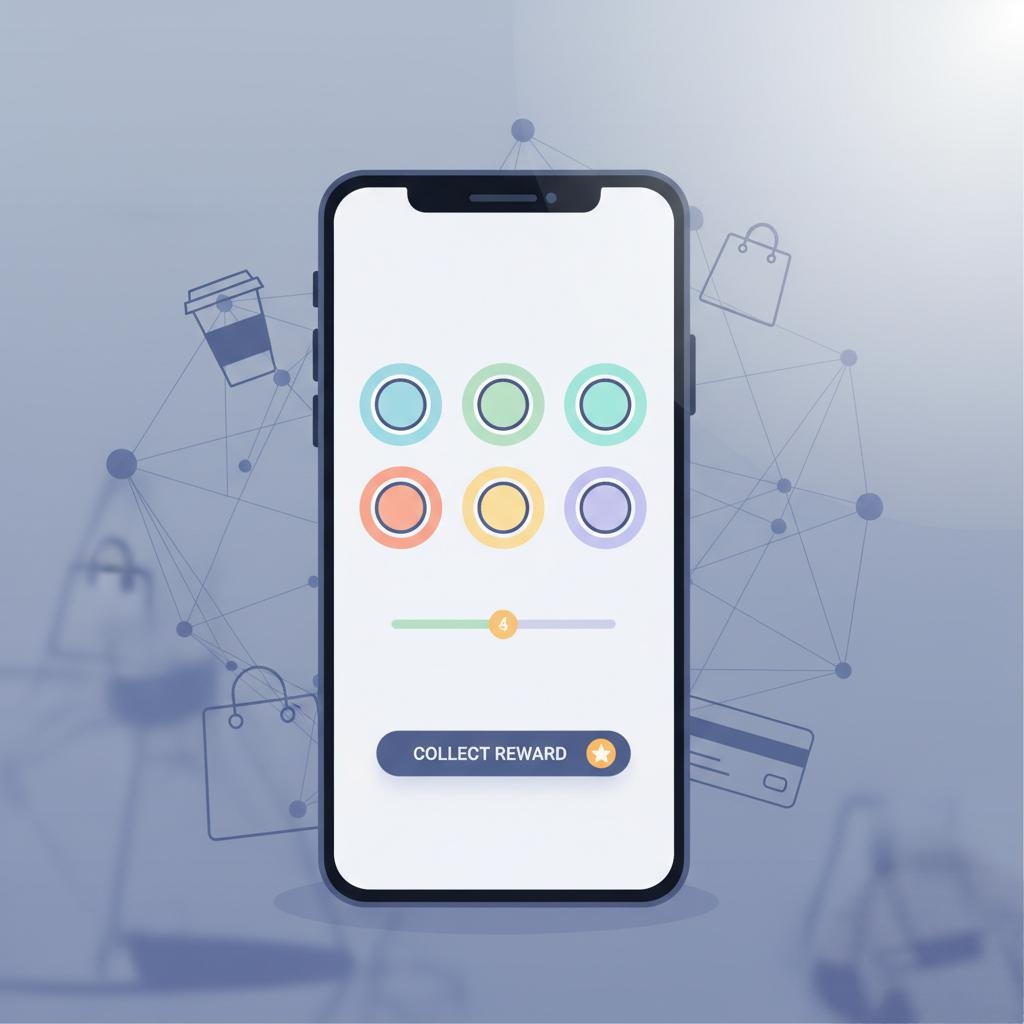
First, using an app for loyalty makes things easy for customers. Instead of worrying about carrying a physical card, a customer’s loyalty account lives on their phone. They can view their reward points, check their stamp progress, see membership status, and track their full purchase history, invoices and bookings. This transparency fosters trust and encourages engagement. Industry experts find that dedicated loyalty apps help differentiate brands and retain customers by offering flexibility, gamification and personalised experiences.
A backend admin panel gives businesses control over everything: managing point or stamp rules, tracking redemptions, handling inventory, and generating reports. For small business owners who may lack large marketing budgets, such a centralised system is a powerful tool. It transforms loyalty from an afterthought into a core part of business strategy—making it far easier to scale, monitor, and refine.
Adding a store locator into the loyalty system connects digital and physical presence. Customers can find the nearest branch, see offers specific to each store, and use the loyalty system seamlessly whether they visit in person or order online. This kind of omnichannel integration helps businesses deliver consistent experience across channels and boosts convenience for customers.
Because modern loyalty solutions often support multiple models—points, stamps, milestones, membership tiers—they adapt easily to different business types. That means whether you run a small coffee shop, a salon, a barbershop, a boutique store, or a restaurant, you can tailor the system to your customers’ behaviour and your business model.
Finally, from the customer’s perspective, this kind of system builds perceived value. Each purchase becomes more meaningful. Earning stamps or points toward a free coffee, haircut, or discount makes customers feel rewarded. This anticipation and reward process strengthens their emotional connection with the brand—and sustains their loyalty.
Imagine a small coffee shop in a busy neighbourhood. Without a loyalty programme, occasional customers may come once, maybe twice, and drift away. With a well-integrated loyalty app, the shop can offer a digital stamp for every coffee purchase. After ten stamps, the customer gets a free drink or a discount.
Over time that simple reward builds habit. Customers know that the next visit brings them closer to a free reward, so they are more likely to return. From the coffee shop’s point of view this drives up repeat visits. Reports and data from loyalty apps also help the owner understand which items sell most, when repeat purchases happen, and what offers work best.
The same works for a salon or barbershop. Each visit earns points, perhaps with extra points for higher-value services or referrals. Over time customers accumulate points or stamps that they can redeem for a discount on a haircut, a free treatment, or a membership perk. The backend system allows the owner to track client visits, manage bookings, handle invoicing, and run promotions easily.
Restaurants and bars also gain significantly. With a loyalty app, they can encourage regular customers to return on slower days by offering double-point deals or special incentives. They can track dine-in frequency, redemption patterns, and even tailor promotions based on customer preferences or visiting times.
In all these cases the store-locator feature proves useful when the business has multiple branches. Customers can pick their nearest branch, check availability, redeem points, or get special offers tied to that location. For the business, it simplifies inventory or staff planning based on branch-wise redemption and sales data.
Because these solutions work across business types—from coffee shops, salons and salons to bars, restaurants and retail—you get versatility. This adaptability makes a loyalty programme worthwhile even for small businesses or startups with limited resources.
A loyalty programme is not a quick fix for sales. It is a long-term investment in customer relationships and brand sustainability.
The consistency of repeated rewards and recognition encourages habitual return visits. Data confirms that customers enrolled in loyalty programmes spend more over time and remain loyal for longer.
Furthermore, you collect data on how customers shop, what they redeem, which services they prefer, and when they visit. This valuable insight helps shape your offerings, optimise stock or services, design better promotions, and personalise the customer experience—leading to even stronger loyalty.
A modern digital loyalty system also reduces friction. Instead of juggling paper cards, tracking stamps manually, or offering generic deals, everything is automated. The result is a smoother user experience for customers and lower administrative burden for business owners. This operational efficiency matters a lot for small teams or standalone shops.
On top of that, businesses using modern loyalty apps stand out. In a crowded market, having a polished loyalty system—digital, easy, transparent—differentiates you from competitors. It becomes part of your brand identity: you are a business that cares about returning customers, values their loyalty, and rewards them properly. That builds trust and enhances brand reputation.
In the long run, this can lead to more stable revenue, higher lifetime value per customer, and a more predictable cash flow. Instead of relying purely on one-off sales or sporadic promotions, you build a loyal customer base that supports sustained growth.
Not all loyalty programmes are successful. Some yield impressive results, some struggle. The difference often lies in design, execution, and clarity of purpose.
Firstly, the reward structure must be meaningful. If points accumulate too slowly, or the rewards feel unreachable, customers lose interest. If stamps or points are too hard to earn, they may not feel motivated. A good loyalty system balances effort and reward to match customer expectations and business margins.
Secondly, transparency and trust matter. Customers need to clearly see their points, understand how they can redeem them, and know what perks are available. A user-friendly app providing full history of purchases, invoices, redemptions and membership status helps build that transparency and trust.
Thirdly, data collection and privacy need to be handled carefully. While tracking customer behaviour helps businesses personalise offers and refine marketing, over-profiling or misuse of customer data can backfire. Brands must prioritise customer trust and protect data—clear communication, consent and responsible data handling are essential. Some research points out fairness issues in points-based rewards schemes and the risk of devaluation or discrimination if thresholds are changed or personalised unfairly.
Finally, the system must be easy to manage for the business. If the backend is overly complex or manual, small businesses may struggle to keep it running, leading to inconsistent experience or abandonment. A robust backend with reporting, inventory or booking management, and flexible rules for stamps or points makes implementation realistic even for small teams.
As consumer expectations grow and technologies evolve, loyalty programmes are becoming more sophisticated. Brands are shifting from generic point-based rewards to highly personalised, experience-based loyalty. Customers expect convenience, choice, and relevance.
Mobile loyalty apps are now a standard. They allow customers to see their reward balance anytime, get notifications about offers, and choose when and how to redeem rewards. This kind of immediacy and control strengthens engagement.
Personalisation is another important shift. Rather than giving the same reward to all customers, modern loyalty systems use data—purchase patterns, frequency, preferences—to tailor offers. For example, customers who prefer certain products or services might get targeted rewards, birthday perks, or milestone incentives. This deepens emotional connection and customer satisfaction.
Integration with omnichannel strategies is also becoming the norm. Whether customers visit in person, order online, or browse via app, loyalty programmes provide consistency. Store locators, membership tiers, and digital stamps let businesses connect all touchpoints—delivering a unified and smooth experience.
Finally, as competition intensifies and margins tighten, loyalty programmes are becoming essential tools for differentiation. Businesses that invest in a modern, well-executed loyalty system gain a competitive edge, not just through price, but through relationship, convenience and sustained value.
If you are considering adopting a loyalty system—or building one for your business—there are a few critical things to keep in mind. Look for a solution that is flexible: one that supports different reward models (points, stamps, membership, milestone bonuses) and adapts to how your customers engage.
Choose a system that offers a robust backend: with tools for reporting, user history, inventory or booking management (if relevant), and easy control for administrators. That ensures sustainability and scalability as your business grows.
Ensure the user-facing app is simple and transparent: customers should be able to view their history, account status, points or stamps earned, and available incentives. Ease and clarity build trust and encourage repeat engagement.
Finally, prioritise personalisation and data privacy. Use insights from purchase history and redemption patterns to tailor offers. At the same time, respect customer privacy, be transparent about data usage, and avoid over-profiling. This builds trust and long-term loyalty beyond transactions.
Businesses should also think long-term: loyalty programmes are not quick hacks for sales spikes, but strategic investments to build recurring revenue, customer relationships and brand strength.
In today’s competitive market, having a great product or service is only part of the equation. What often sets successful businesses apart is their ability to build real relationships with customers. A sophisticated customer loyalty system—combining reward points, digital stamps, memberships, store locators and mobile access—is one of the most effective ways to achieve that.
For coffee shops, salons, restaurants, bars or any customer-facing business, it offers a win-win: customers feel valued and rewarded; businesses get repeat customers, better data, and stable growth.
If your goal is to build a loyal customer base, increase lifetime value, and create stronger, long-term relationships with clients, a well-designed loyalty programme is not just an option—it is a necessity.