19 Dec 2025
In today’s competitive marketplace, building a loyal customer base is no longer optional — it is essential. Customers expect more than just a good product or service; they expect rewards, recognition, and a seamless experience that makes them want to come back. A well-crafted loyalty system offers precisely that: a meaningful way to thank repeat customers, encourage ongoing engagement, and turn occasional buyers into devoted brand advocates. In this post, we explore how a comprehensive digital loyalty solution — one that offers reward points, digital stamps, membership perks, milestones, and store-locator tools — can create a lasting advantage for coffee shops, salons, restaurants, small retailers and startups alike. We dive into what a modern loyalty system looks like, why it matters, and how it can benefit both businesses and customers in tangible ways.
In its simplest form a loyalty programme rewards customers for repeat purchases or repeated engagement with a brand. This might mean collecting points each time they buy something, or earning “stamps” or rewards every time they visit. Over time, these accumulate to unlock discounts, free items, or exclusive perks.
But the value of loyalty programs goes far beyond just freebies. When implemented thoughtfully, loyalty programmes deepen the emotional connection between customers and the brand. They turn a simple transactional relationship — “I buy from you” — into something more personal and meaningful: “I feel valued, I belong, and I want to come back.”
For small businesses, especially ones that rely on footfall and repeat visits — like coffee shops, salons, barbers, restaurants or local retailers — the stakes are even higher. Loyal customers return regularly, spend more over time, refer friends, and become your most trusted promoters.
Moreover, in the current climate where many consumers shop around seeking the best value and convenience, a strong loyalty programme can be a key differentiator. It helps businesses stand out from competitors who offer similar services or products but lack structured rewards and personalised engagement.
In short, a loyalty programme is not just a “nice to have.” For many small and medium businesses, it is a strategic tool to build long-term relationships, stabilise revenue, and turn customers into brand advocates.
A truly effective and modern loyalty solution is more than just a points counter or a punch-card system. It should be flexible, scalable, and tailored to the needs of both the business and its customers.
One of the most powerful features of a modern loyalty system is the ability to support multiple reward mechanisms. Some customers may prefer earning points for every purchase; others might enjoy a “digital stamp” system — for example, after five coffees, you get one free. Others might respond well to milestone rewards: after spending a certain amount overall or after a certain number of visits, they unlock a higher tier of benefits. A digital loyalty solution that supports all these mechanisms gives businesses the flexibility to choose what works best for their customer base.
Beyond rewards, such a system ideally offers a comprehensive backend admin panel that allows business owners to manage and monitor everything: customer accounts, point balances, redemption history, reward thresholds, expiration, membership tiers, and more. It should also offer features like inventory and buying list tools, making it easier to integrate loyalty into everyday business operations. This kind of backend control ensures the loyalty programme remains profitable and manageable rather than becoming a burden.
Another crucial aspect is customer transparency and convenience. Customers should have access to their full history: past purchases, point balances, stamps collected, membership status, and redemption options. This clarity increases trust and engagement — customers feel in control of their rewards journey.
For businesses operating in multiple locations or with varying storefronts (for example, a chain of coffee shops or salons in different cities), the inclusion of a store locator feature is a big plus. It allows customers to find the nearest branch where they can redeem their rewards or build up their points — which is particularly useful in metropolitan or widely spread urban areas.
Finally, ease of implementation is often overlooked but absolutely vital. A high-quality loyalty solution will come with full codebases for iOS and Android, plus detailed, step-by-step documentation that makes installation and deployment straightforward. This means even startups or small businesses without large tech teams can set up viable loyalty systems without needing to build from scratch.
When a loyalty programme is thoughtfully designed and professionally implemented, the benefits for businesses can be significant and multi-faceted.
First and most obviously, a loyalty programme increases customer retention and repeat purchases. Clients who know they will get something back for each purchase are substantially more likely to return. This, in turn, raises their lifetime value — in many cases, loyal customers spend more over time than one-time buyers.
Second, it helps increase average order value (AOV). Customers who are close to a redemption threshold may be persuaded to add extra items to their basket, or upgrade their purchase, to accelerate their progress. This subtle behaviour shift can lead to more revenue per transaction.
Third, a loyalty programme delivers competitive advantage. In crowded markets where many businesses offer similar services, a well-executed loyalty system becomes a differentiator. It signals to your customers that you care about their continued patronage and that you value them beyond one-off sales. This kind of differentiation becomes especially important for small businesses competing against larger chains.
Fourth, loyalty programmes encourage word-of-mouth marketing and referrals. Satisfied customers who feel rewarded are more likely to recommend your business to friends and family. Some loyalty systems can even incorporate referral bonuses, which further amplify brand reach without proportional marketing spend.
Fifth, loyalty programmes offer valuable customer data and insights. When customers interact with a digital loyalty app — sign up, accumulate points, redeem rewards — you learn about their preferences, frequency of purchase, preferred products or services, and overall behaviour. This data enables businesses to tailor their offerings, personalise deals, and plan targeted promotions — leading to smarter business decisions.
Finally, a loyalty programme helps to cultivate emotional connection and brand trust. When customers feel recognised and appreciated they develop a sense of belonging. Over time, this emotional loyalty is far more powerful and resilient than price-based loyalty.
In recent years the landscape of customer loyalty has shifted dramatically. Traditional punch-cards or paper-based systems are becoming outdated. Digital and mobile loyalty solutions are now the standard — and for good reason.
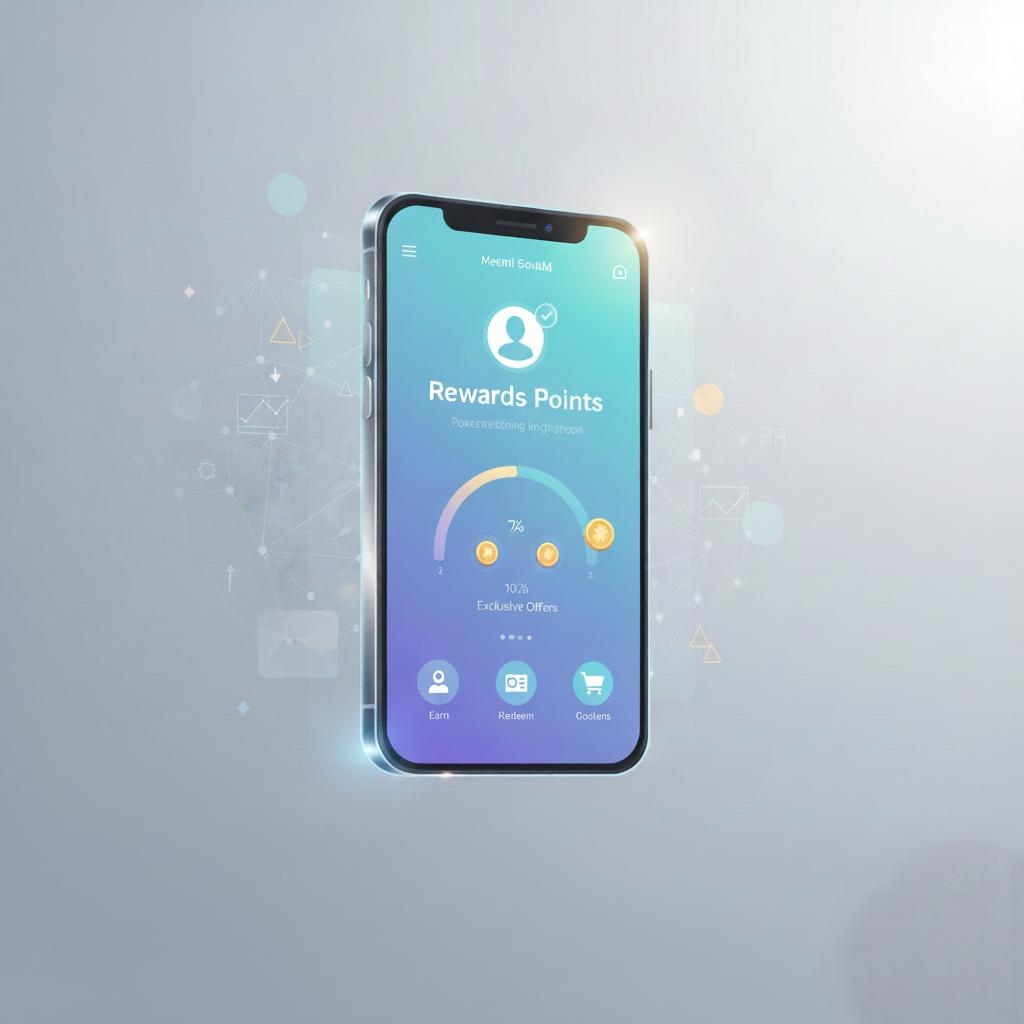
Digital loyalty apps provide convenience: customers can carry their reward history in their pocket, check points, redeem rewards, and find store locations all on their phone. This removes friction and increases engagement because customers do not have to worry about losing a card or forgetting to carry it.
From the business side, a digital solution simplifies administration. There is no need to track paper cards, reconcile redemptions manually, or worry about fraud or misuse. Instead everything is automated, reliable, and scalable. For businesses with multiple branches, a digital backend makes synchronising data across locations easy and ensures consistency.
Furthermore, a mobile app allows for real-time engagement and notifications: businesses can instantly alert customers about seasonal offers, double-points days, or special events. This kind of targeted communication keeps customers connected to the brand and encourages more frequent visits. It also makes personalised rewards easier — a powerful trend in loyalty strategies as businesses leverage data to tailor offers to customer behaviour.
Finally, in a world where many purchases happen online or across a hybrid model (online + offline), a digital loyalty solution can bridge both — enabling customers to earn and redeem points regardless of sales channel. This flexibility ensures that loyalty remains effective even as consumer behaviour evolves.
Building a loyalty programme is not simply about rewarding customers; it is about aligning the rewards with your business goals, customer preferences, and long-term sustainability. Here are key principles to keep in mind when designing or evaluating a loyalty solution.
One, start with clear, measurable goals. Decide what you want to achieve: is it more frequent visits, higher average spend, increased customer retention, more referrals, or a combination? Without clear objectives you risk having a loyalty programme that costs more than it brings in.
Two, know your customers. What do they value? Are they more motivated by discounts, free items, VIP perks, or maybe a sense of exclusivity? Use customer data — purchase history, feedback, demographics — to understand their preferences. A loyalty programme should be tailored to what your customers actually want, not what you think they want.
Three, keep it simple and transparent. Overly complicated systems confuse customers and reduce participation. Whether it is points, stamps, tiers, or milestones, the rules should be easy to understand. Customers should clearly see how many points they have, what they need to reach the next reward level, and how to redeem rewards.
Four, personalise where possible. The modern consumer expects more than generic offers. Use loyalty data to tailor rewards — for example, a free coffee after five purchases for a regular cafe visitor, or a discounted haircut for a salon customer who comes every two months. Personalised rewards resonate more deeply and drive engagement.
Five, communicate and promote the programme effectively. Many customers will not sign up simply because they are unaware of the loyalty programme or unsure how it works. Provide clear messaging at checkout, on receipts, via in-store signage or via the app, and make enrollment frictionless. A smooth signup process is critical.
Six, monitor performance and iterate. Once the programme is live you should periodically review key metrics: how many customers have signed up, how many are active, how often they visit, how much they spend, how often they redeem rewards, and what kinds of rewards are most popular. Based on this data you can adjust point thresholds, reward types, or communication strategy to keep the programme effective and sustainable.
For many small businesses, building a loyalty programme from scratch — with apps for iOS and Android, a backend, user accounts, store locator, reporting tools, reward management — can be daunting. It often requires substantial development resources, time, and expertise.
This is where a ready-made digital loyalty solution with full codebase and documentation becomes attractive. A “white-label” solution removes the barrier of technical complexity and allows small businesses to implement a robust loyalty programme quickly and cost-effectively.
With a white-label solution, the business can get fully functional iOS and Android apps ready to compile, a powerful backend admin panel, built-in membership and points/stamp features, and even optional store locator functionality. Documentation makes it easier to install and customise, and the business can launch its loyalty programme without hiring a full development team or investing months in software creation.
For coffee shops, salons, restaurants, bars and small retail stores that want to compete with larger brands, this approach allows them to offer the same kind of seamless loyalty experience — without the overhead. It levels the playing field.
Moreover, having a backend that integrates loyalty management with inventory, buying lists and other business tools makes the solution even more powerful. It enables a holistic view of operations, simplifies management, and reduces errors.
When a business implements a well-designed digital loyalty solution and manages it with care, the results can be transformative.
One of the most significant outcomes is increased customer retention and lifetime value. Customers enrolled in loyalty programmes tend to visit more often, spend more, and remain loyal over time — increasing their overall value to the business.
Another likely result is an increase in average order size or frequency of visits. Loyalty triggers — like reaching a milestone or getting close to a reward — encourage customers to spend a bit more or return sooner to claim their benefits.
Additionally, businesses can see higher profitability and better return on investment (ROI). While running a loyalty programme entails costs — discounts, free products, reward fulfilment — the increased customer retention, repeat purchases, and referrals often more than offset these costs in the long run.
Moreover, the emotional connection created through personalised loyalty rewards leads to stronger brand advocacy. Loyal customers become brand ambassadors, recommending the business to friends and family — generating organic growth through word of mouth.
Finally, businesses that already operate across multiple outlets can benefit from consistent experiences across locations through a unified digital loyalty platform. This ensures customers get the same reward treatment regardless of which branch they visit — strengthening trust and reducing operational friction.
If you run a coffee shop, salon, barbershop, restaurant, retail store or any customer-facing business that depends on repeat visits, you should seriously consider implementing a modern digital loyalty solution. The benefits — increased retention, higher spend, improved customer satisfaction, better data, and stronger brand loyalty — make the effort worthwhile.
But not all loyalty solutions are created equal. To get real value, choose a system that is flexible (points, stamps, milestones), transparent (full customer history), scalable (works for single or multiple locations), and easy to implement (apps + backend + documentation). A white-label or ready-made solution with full codebase and backend system can significantly lower the barrier to entry and accelerate your launch.
Once implemented, invest in tracking and optimisation. Monitor how your customers interact with the programme, understand which rewards are most valued, gather feedback, and regularly adjust the programme to keep it fresh and relevant.
If you want, you can look at examples of successful loyalty programmes from global brands to draw inspiration. And you can even consider personalising your own loyalty scheme to reflect your brand’s personality and values.
In a market where competition is intense and customers have endless options, a strong loyalty programme can be the difference between being just another business and becoming a beloved brand.