18 Dec 2025
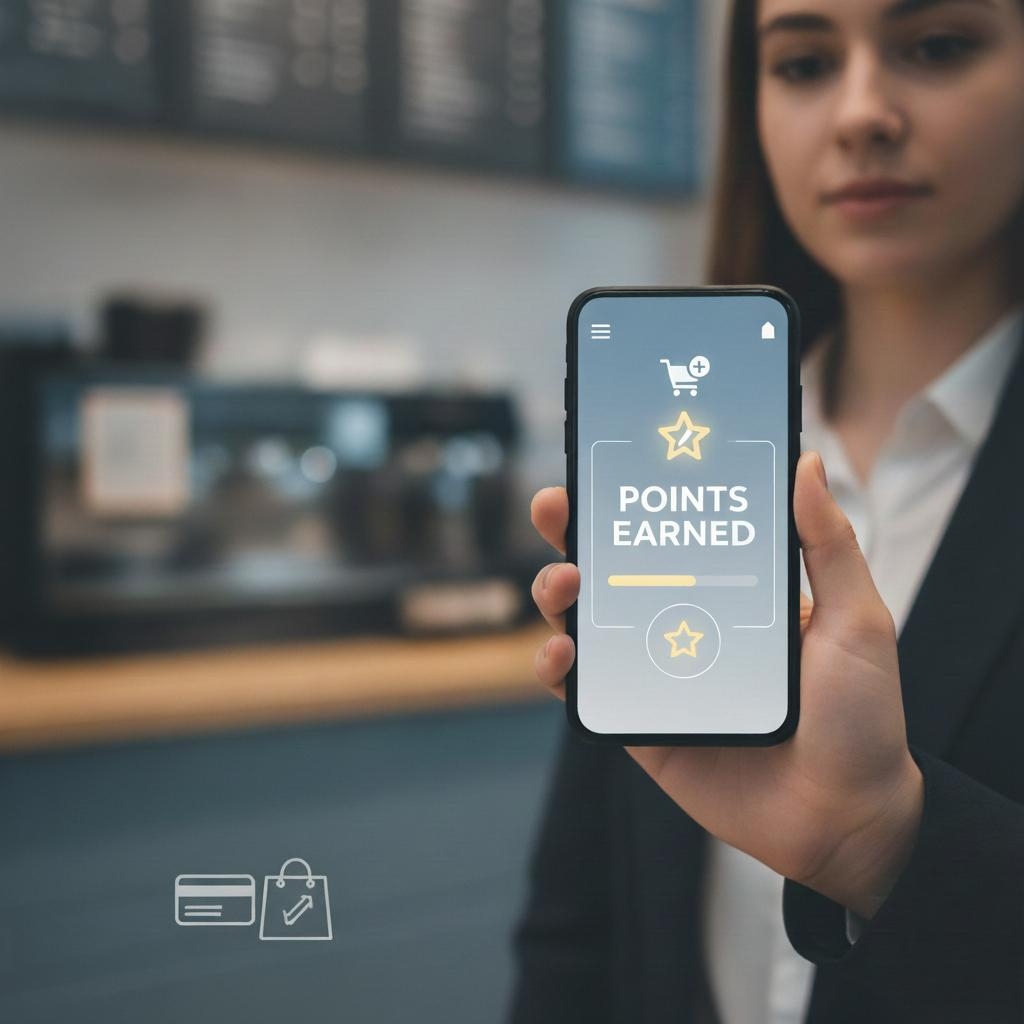
In a world where customers have endless choices, building long-term relationships is more important than ever. For cafés, salons, restaurants, bars, and other small to medium businesses, customer loyalty can make or break success. A well-designed loyalty programme can turn a first-time visitor into a regular customer, encourage higher spending, and boost your brand’s reputation — all without continual heavy marketing spend. In this post, we explore why digital loyalty programmes matter now more than ever, how they work, and what you need to consider if you are thinking about implementing one for your business.
A customer loyalty programme is a marketing strategy that rewards repeat customers for their continued patronage. Instead of relying solely on one-off transactions, businesses offer benefits — such as points, stamps, discounts, or free services — to incentivise customers to return.
Traditional loyalty programmes often used physical cards or paper-based stamps. Customers would carry a card, present it at every visit, and get a stamp or point for each purchase. Once a threshold was reached, the customer would receive a reward — a free product, a discount, or an upgrade.
However, digital loyalty programmes have become increasingly popular because they lift many of the limitations of physical systems. Instead of issuing plastic or paper cards, businesses use mobile apps or web platforms to track purchases and rewards. This shift to a digital format brings multiple advantages.
With a digital loyalty system, customers enjoy seamless tracking of their points, stamps or milestones. For business owners, a digital system provides insights into customer behaviour, helps run targeted promotions, and builds a clearer picture of who the loyal customers are and what they spend.
In essence, a digital customer loyalty programme transforms occasional buyers into repeat customers, increases average spending, and builds a foundation for long-term customer relationships.
When a business sets up a digital loyalty programme, the benefits extend far beyond simply giving customers a free coffee after ten visits. A thoughtful loyalty system can reshape the way customers view your brand and help you grow sustainably. Here are some of the core advantages that make loyalty programmes a powerful tool.
First, loyalty programmes improve customer retention and reduce churn. Winning new customers is expensive. Once someone walks in for the first time they might or might not return. But with a reward system in place, there is a strong incentive for them to keep coming back. This shift from one-time transactions to recurring engagements leads to more dependable revenue over time.
Second, loyalty programmes increase customer lifetime value (CLV). When customers know they receive benefits from repeat visits, they are more likely to purchase again and perhaps even spend more per visit. Over time, this raises the average value each customer brings to your business.
Third, offering rewards through digital loyalty builds stronger customer engagement. A mobile or web app can provide personalised offers, track past purchases, allow customers to view their reward history, and make it easy to redeem incentives. These conveniences encourage continued interaction with your brand.
Fourth, a digital loyalty programme delivers valuable customer data. Understanding purchasing habits, frequency, preferences, and visit patterns allows business owners to run more effective offers and promotions. With data-driven insights, you can tailor rewards or discounts to what your customers want the most.
Finally, a loyalty programme helps businesses stand out in a crowded market. For sectors like cafes, salons, or bars, where competition is high and products/services are often similar, offering a loyalty system can be a differentiator. It communicates to your customers that you value their repeat business and are committed to rewarding their loyalty — which in turn can foster stronger brand loyalty and customer advocacy.
In short, a digital loyalty programme is a strategic investment. It builds long-term relationships, increases repeat purchases, encourages bigger spend, and strengthens the brand-customer connection.
You may wonder: if a loyalty programme is valuable in itself, why bother with a digital solution instead of traditional paper or plastic cards? The answer lies in convenience, clarity, scalability and user experience.
Traditional loyalty cards come with issues. Cards can get lost, damaged, or forgotten at home. Paper “stamp cards” may wear out or be easy to tamper with. Tracking manually can be prone to human error. Redeeming rewards might involve staff manually checking stamps or points which can slow down service and create friction. Over time this can create frustration both for customers and staff.
Digital loyalty programmes eliminate nearly all of these problems. With a properly built loyalty app, customers can track their points or stamps in real time. They can view their reward history, check milestones, and see what rewards are available — all within the app. This transparency helps build trust. Business owners can also monitor redemption, ensure fair distribution, and avoid misuse.
Moreover, a digital system scales easily. Whether your business has ten customers or ten thousand, the system handles all of the tracking automatically. You do not need to worry about printing new cards, running out of stamp sheets or manually adding points. Even better, a digital setup opens up potential integration with other tools like inventory management, membership management, and customer data analytics. That extra insight can help you create better offers and loyalty campaigns over time.
Thanks to these benefits, many modern businesses — from coffee shops to salons and restaurants — are switching to digital loyalty systems. For owners who want efficiency, accuracy and growth, digital loyalty is a much smarter approach than traditional card-based systems.
Not all loyalty programmes are created equal. Some fail to deliver meaningful results because they are poorly designed, complicated or do not align with what customers actually value. A good programme balances ease of use, real value to customers and long-term sustainability for business.
First, simplicity matters. If customers have to fill out long forms, wait for manual point additions, or follow confusing rules, many will simply give up. A loyalty system should let customers earn stamps or points effortlessly at each purchase, without friction. The easier it is to earn rewards, the more likely customers will repeatedly engage.
Second, the value of rewards must feel worthwhile. If the reward threshold is too high or the benefits too meagre, customers may not feel motivated. On the other hand, if rewards are too generous, the programme may be financially unsustainable for the business. A well-designed programme ensures the reward is meaningful for customers and profitable for the business.
Third, transparency and trust are essential. Customers should be able to view their points or stamps instantly, check their reward history, and know exactly how to redeem benefits. When customers trust that the system works honestly and fairly they are more likely to value and use it.
Fourth, tracking and analytics are key. For a business owner, understanding customer behaviour — frequency of visit, average spend, redemption rates — helps tailor promotions, plan stock or services, and optimise offers for the best return. Data-driven decisions will always outperform guesswork in loyalty management.
Fifth, flexibility to adapt across different business types helps. A programme that works for a coffee shop may need different reward logic if used in a salon or bar. Tiered rewards, milestone bonuses or free incentives for birthdays or anniversaries add flexibility. A system that supports multiple reward types (points, stamps, free items, membership tiers) gives you room to customise for your unique business.
When a loyalty programme is simple, transparent, data-driven and flexible, it becomes much more effective — benefiting both customers and business owners alike.
Digital loyalty programmes are especially suited to businesses offering repeated services or purchases rather than a one-time transaction. Regular cafés, coffee shops, restaurants, bars, beauty salons, barbers, spas, and similar establishments are ideal candidates. In such businesses, customers return frequently, making the reward scheme meaningful.
For example, a café that offers a free drink after ten purchases or a salon that gives a free cut after five visits can use a digital loyalty system to track these easily. Such incentives encourage customers to come back more often, and the ease of tracking and redemption improves their overall satisfaction.
Membership-based businesses or subscription services also benefit. Beyond just accumulating points or stamps, a digital loyalty programme can handle membership status, tier upgrades, milestone rewards or special incentives to keep members engaged. This flexibility allows businesses to design reward schemes that match customer behaviour and spending patterns.
Moreover, businesses that have multiple branches or operate in several locations benefit from centralised digital systems. A customer’s loyalty information stays with them — whether they visit one store or another — which helps maintain consistency and convenience.
In short, any business that expects customers to return, values repeat business over one-off sales, and wants to build long-term relationships will benefit from a well-implemented digital loyalty programme.
Before jumping into launching a loyalty programme it is important to plan carefully. A poorly implemented system can cause customer frustration, inefficiency or even financial loss. Here are key aspects to consider to make sure the programme works properly.
First, choose the right technology. The platform should be easy to use for both customers and staff. The mobile or web app must be intuitive and reliable. It should have robust functionality — allow customers to view points and history, provide staff access to manage accounts and redemptions, and support multiple reward types such as points, stamps, milestone rewards, membership statuses and free incentives.
Second, ensure the backend system is powerful and offers full control. For businesses with multiple branches, or those that plan to scale, centralised control over customer data, redemption, business analytics, and inventory or service management is important.
Third, maintain data security and privacy. With digital loyalty systems, businesses do collect customer data — visit history, purchase patterns and more. It is vital to be transparent about data usage and protect customers’ personal information. A system that respects privacy while giving useful analytics will build greater trust.
Fourth, make reward mechanics clear and fair. Customers need clarity on how to earn points or stamps, what they can be redeemed for, and any expiry or thresholds. If the mechanics are unclear or seem unfair, the programme may damage customer trust rather than building it.
Fifth, align rewards with business goals. For example, if your goal is to increase visit frequency, offer incentives after moderate number of visits rather than high spend thresholds. If you want to move inventory or encourage higher spend per visit, tailor your loyalty logic accordingly. Every business is different, and a flexible loyalty solution allows this kind of tailoring.
Finally, consider offering a seamless customer experience. The easier it is for someone to join the programme, use the app, check their reward status, and redeem benefits, the more likely they are to participate and remain loyal. A frictionless experience builds satisfaction — and satisfied customers are more likely to become repeat customers and brand advocates.
Digital loyalty programmes are no longer just about earning points or stamps. As technology evolves, the possibilities expand significantly. Modern digital loyalty systems now support real-time tracking, personalised incentives, cross-channel redemption, and data-driven marketing.
With a proper digital loyalty platform, businesses can integrate membership management, backend analytics, inventory and service management, customer rewards, stamp or point tracking, and more — all within one system. This level of integration simplifies operations and provides a holistic overview of business performance and customer behaviour.
Furthermore, digital programmes allow for flexibility in the type of rewards. Beyond discounts or free products, businesses can offer milestone rewards, membership upgrades, free incentives, or exclusive deals to reward long-term loyalty. This variety can make the loyalty programme more attractive and adaptable to different customer segments.
Digital loyalty also supports multiple business types — from coffee shops to salons to bars and restaurants. The same system can work across these sectors with slight customisation. This makes digital loyalty solutions particularly valuable for entrepreneurs or multi-service businesses.
As more consumers use smartphones, apps and digital platforms, a digital loyalty system aligns perfectly with modern user behaviour. Customers expect convenience, transparency and instant gratification. Digital loyalty meets these expectations — and helps businesses deliver consistently.
If you are planning to build or upgrade a loyalty programme, investing in a digital platform with robust backend, flexible reward logic, and ease of use is increasingly the norm.
In today’s competitive business environment, customer loyalty programmes are no longer a “nice to have”. They are a necessary strategy for any business that values repeat customers, sustainable growth, and long-term relationships. A carefully designed digital loyalty programme offers convenience, transparency, flexibility, and data-driven insights that traditional programmes simply cannot match.
Whether you run a café, a restaurant, a salon, or manage multiple branches across locations, a digital programme can set you apart from competition, reward your customers meaningfully, and increase lifetime value of each customer.
If you plan to invest in loyalty programmes, consider the long-term — invest in technology, data security, flexible reward logic, and a system that grows with your business. In doing so you build not just customer loyalty, but brand loyalty.
When done right, a digital loyalty programme is not just a perk — it becomes a core pillar of your business growth strategy.