05 Dec 2025
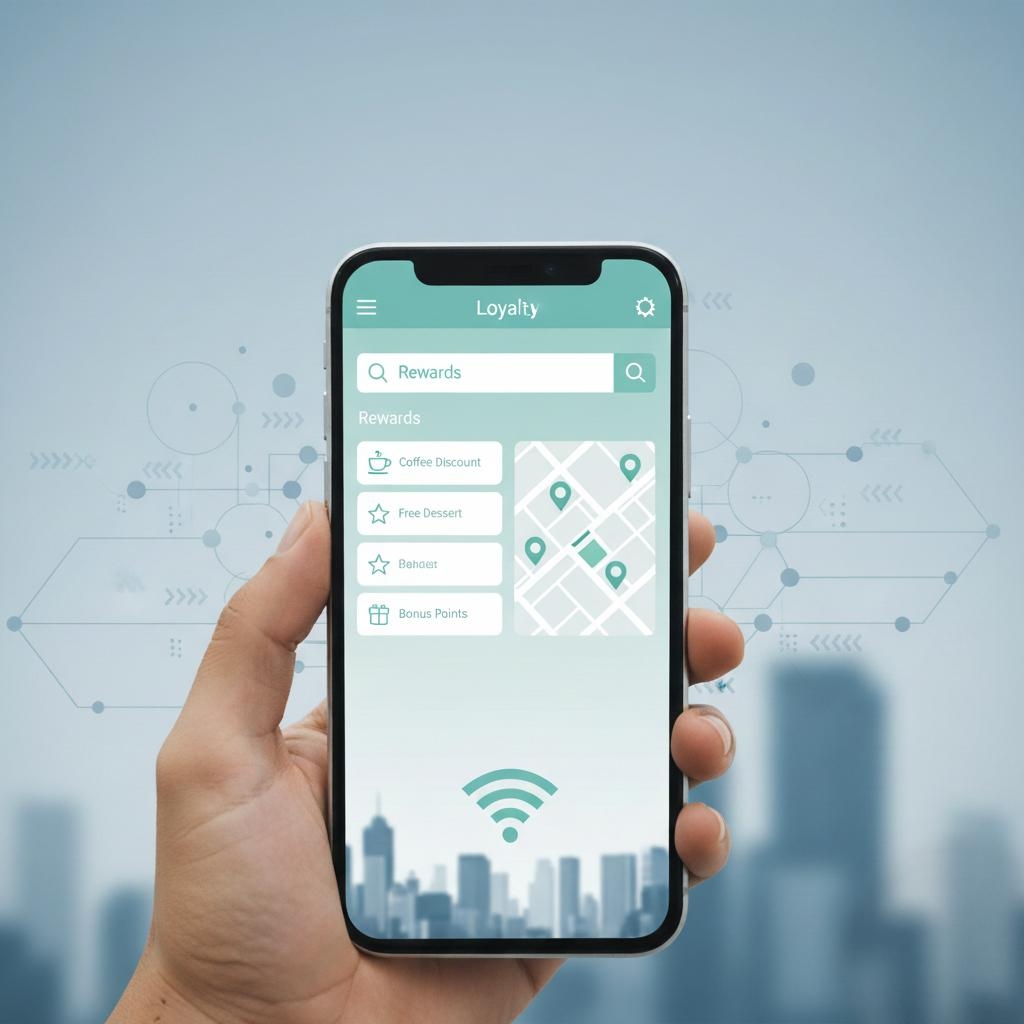
In an age where convenience and customer experience define the success of retail shops, coffee houses, salons, bars or small-scale businesses, a well-designed loyalty programme can make a monumental difference. Customers appreciate businesses that reward their loyalty—and in turn, they return more often, spend more, and help build a stable base of recurring revenue. This blog explores how a modern digital loyalty solution can help businesses unlock that value, what makes a good loyalty system, and how such a system can be implemented to deliver real, measurable benefits.
Whether you run a cosy café, a boutique salon, a small restaurant or a growing chain of stores, you can benefit from digital loyalty points, stamps, memberships, incentives and a store locator built for modern customer expectations.
In this article we discuss the core advantages of a digital loyalty system, how it improves customer retention and business performance, and what you should look for if you decide to adopt one for your business. The insights here draw on industry best practices for loyalty programmes as well as design and user-experience principles that matter today.
Traditional loyalty cards and punch-card systems served businesses well for decades. A customer visits a café, gets a stamp. After ten stamps, they get a free coffee. That worked. Yet the world has changed.
Customers now expect convenience. They seldom carry stacks of loyalty cards in their wallets. They change phones, misplace cards, or forget which card belongs where. On the business side, managing paper cards, tracking stamps, dealing with lost cards or fraud, and maintaining manual records is cumbersome, time consuming and error-prone.
A digital loyalty system solves these problems. When stamps and reward points are stored in a mobile app, customers never lose their loyalty credits. They can see their history, track their points or stamps, and redeem rewards, all through their phone. Businesses no longer need to print plastic or paper cards, distribute them, or worry about lost cards. Rewards are transparently logged. Redemption rules, milestone rewards, membership status—all are handled by the app and back-end system.
Digital loyalty also helps businesses gather data and insights. They can track customer visits, spending frequency, reward redemptions, and overall engagement. Over time this data helps craft targeted incentives, offers, or promotions—giving customers what they value and encouraging repeat visits.
Moreover, digital loyalty aligns with modern consumer expectations for immediacy, transparency and ease of use. This makes a business appear more professional, trustworthy and customer-centric.
Not all loyalty systems are equal. To truly benefit both customers and businesses, a loyalty programme should offer more than just basic punch-card functionality. Modern loyalty apps should combine flexibility, powerful back-end control, transparent history tracking, and ease of use.
A robust loyalty system should support both reward points and digital stamps or hybrid models. Some businesses may prefer a points-based system where each purchase adds points that can be redeemed for discounts or freebies. Other businesses may favour a stamp-based system: for example, after every visit, a customer gets a digital stamp; after a certain number of stamps, a reward is unlocked. A flexible solution accommodates both.
The system should allow for milestone rewards, memberships, free incentives, and membership-specific savings or benefits. For businesses that want to segment customers (for example, frequent visitors vs occasional customers), membership features with exclusive offers, membership savings, or milestone-based incentives help build deeper customer loyalty and increase lifetime value.
A clear, easy-to-use customer history and account dashboard is also very important. Customers should be able to view their past purchases, earned points or stamps, redemption history, membership status, and upcoming rewards. Transparency builds trust and encourages more engagement.
On the business side, a powerful back-end admin panel is crucial. Inventory management, sales reports, buying lists, analytics for customer behaviour, and control over promotions and reward configuration all give the business owner the tools to make data-driven decisions. Having full control over how many points or stamps to award per purchase, which stores participate (for multi-branch businesses), and how to configure loyalty rules is what separates casual reward systems from serious loyalty engines.
Additionally, the system should support multiple platforms—both iOS and Android—so customers can use the loyalty programme regardless of their device. Cross-platform availability broadens reach and ensures the system is accessible to most of your audience.
Finally, documentation and ease of integration matter. If the loyalty solution comes with step-by-step documentation for installation and implementation, and (for developers) source code that can be compiled to iOS and Android, it becomes easier for businesses or developers to adopt or customise the system to match their brand identity and operational model.
Switching to a modern loyalty system can yield concrete business benefits. First, it increases customer retention. Customers who feel rewarded and recognised are more likely to return. Over time, repeat visits from loyal customers often account for a major share of revenue.
Second, it increases the lifetime value of customers. With reward points, stamps, freebies, and membership perks, customers have incentives to spend more, spread out their visits, or try additional services. For example a salon might encourage a customer who normally visits once every two months to return monthly, by offering a discount after a certain number of visits.
Third, it deepens engagement and brand loyalty. When customers see their rewards growing, membership benefits accruing, and redemption opportunities, they feel connected to the brand. This emotional or psychological loyalty is stronger than occasional discount-driven purchases.
Fourth, for multi-location businesses or chains, a digital loyalty system with a store locator helps customers find any participating outlet. It reduces friction and encourages use across different branches. Customers appreciate knowing which locations accept loyalty credits.
Fifth, having a backend with analytics and reporting helps businesses make smarter decisions. You can track which stores perform better, which customer segments are most valuable, what promotions work best, and when to offer incentives to re-engage dormant customers. Over time, you build a data-driven loyalty strategy rather than relying on guesswork.
Finally, a loyalty system becomes part of your brand identity. A well-designed app, clear communication of reward rules, and consistent user experience can make your business stand out as professional and customer-focused. For many small businesses, that distinction is vital in a competitive market.
If you decide to adopt a digital loyalty solution, there are a few important considerations to ensure success and avoid pitfalls. First, choose a system that balances flexibility and simplicity. If the system is too complicated—too many rules, too many types of rewards, or a clunky back-end—your staff or customers may struggle to use it. On the other hand, a system that is too simplistic may fail to deliver value or differentiate your business.
Second, offer clear communication to customers at onboarding. Explain how stamps or points are earned, how and when they can be redeemed, what benefits membership brings, and how to track their history. Transparency reduces confusion and builds trust. You can also offer a welcome bonus—a few points or stamps for first sign-up—to encourage initial engagement.
Third, integrate the loyalty system with your existing operations and POS system. Ideally, the loyalty app should support scanning QR codes generated at checkout to credit points or stamps automatically. This removes manual entry errors and improves user experience. If your POS does not support QR codes, a loyalty system that allows manual code generation and redemption may still serve the purpose.
Fourth, plan for regular engagement and communication. Use incentive events, milestone rewards, or special offers to re-engage customers. For example, a salon might offer double-stamp days, or a café might run a limited-time bonus points campaign. These strategies encourage increased spending and visits.
Fifth, make use of analytics. Review customer behaviour patterns. Identify loyal customers who deserve VIP treatment. Find out which offers are redeemed most. Adjust your reward strategy accordingly to maximise long-term value rather than short-term discounts.
While big chains may have the resources to build custom loyalty systems, small and medium businesses often struggle with cost, technical expertise, or logistical challenges. A ready-made digital loyalty solution with a full back-end, mobile apps, store-locator feature, and reward configuration simplifies the process drastically.
Such a solution removes the need for printing and distributing loyalty cards, maintaining manual records, or building bespoke software. The business can start rewarding customers from day one, with minimal setup.
Moreover, because the system supports multiple types of rewards—points, stamps, memberships, free incentives—it can adapt to different business models. A coffee shop may rely on frequent small purchases, using stamps per visit. A salon may focus on higher-value services with points or milestone-based rewards. A small chain with several branches can use the store locator feature to let customers redeem across stores.
This versatility makes a complete loyalty solution not just a convenience but a growth enabler. Instead of focusing on managing loyalty manually, you can focus on serving customers, improving quality, and growing your brand.
In today’s competitive marketplace, a digital loyalty programme is no longer a luxury. It is a smart strategic investment for any business that values repeat customers, brand loyalty and long-term growth.
Given that loyalty programmes involve collecting customer data, storing their transaction history, and issuing rewards, trust, security and transparency are paramount. A reputable loyalty platform must have a powerful back-end system, clear accountability, and transparent reward rules. If customers feel the system is opaque or unfair, they may disengage or lose trust.
Look for platforms that allow full customer access to their purchase history, points or stamps balance, and redemption history. When customers can see exactly how their rewards are earned and redeemed, it builds confidence.
From the business side, ensure that the back-end admin panel provides inventory management, reporting tools, and full control over reward configuration. You should be able to define how many points or stamps to award, how rewards are redeemed, and manage multiple store locations if required.
Also consider cross-platform availability. The loyalty solution should ideally offer both iOS and Android apps to reach the widest possible customer base. This ensures no customer is excluded just because of their device.
Finally, good documentation and a clear onboarding process matter. Whether you are a developer integrating the system or a business owner deploying it, a well-documented process reduces errors, speeds up launch, and makes maintenance easier.
From a customer’s point of view, a loyalty programme should be simple, transparent and rewarding. Digital loyalty systems deliver exactly that.
Customers no longer have to carry card wallets full of loyalty cards. They simply use the app. They can track how many points or stamps they have, see which rewards they qualify for, and redeem them when ready.
Digital loyalty feels modern. People are used to apps for shopping, banking, travel, fitness or ordering food. A digital loyalty app fits seamlessly into that lifestyle. It gives convenience, immediacy, and clarity.
When loyalty rewards are tangible and easy to redeem—free coffee, discount on a haircut, membership benefits, milestone bonuses—customers feel valued. That feeling builds emotional connection and brand affinity.
For frequent customers, seeing their progress and feeling rewarded strengthens habit formation. They are more likely to choose your business over a competitor, even if the competitor’s price is slightly lower.
Moreover, with digital tracking, customers do not miss out on rewards due to lost cards or confusion. Every purchase counts. Every visit matters.
In short, a good digital loyalty programme improves the experience for customers and builds trust and satisfaction.
Even with great benefits, implementing a digital loyalty system comes with challenges. First, there is the risk of low customer adoption. Some customers may be reluctant to download a new app or sign up for yet another loyalty programme.
To overcome this, businesses must place emphasis on communication and convenience at first contact. Staff should explain the benefits when a customer visits. A small prompt or friendly explanation at checkout helps. Maybe offer a welcome bonus or a free incentive just for signing up. Make the first experience rewarding to encourage adoption.
Another challenge is integration with the existing sales or POS system. If manual entry is required, it may lead to errors or staff resistance. A system that supports QR-code based automatic stamping or point-crediting reduces friction. If possible, generate QR codes at checkout to automate the process.
Third, businesses must plan for long-term management. Maintaining the loyalty programme, tracking redemptions, balancing offers and cost of rewards, and analysing data for insights can take time. But with a proper backend analytics dashboard, reporting and customer segmentation tools, this becomes manageable—even scalable.
Finally, transparency is essential. If customers perceive the reward system as vague, unfair or inconsistent, loyalty will plummet. Having a well-defined reward policy, clear membership tiers, and visible transaction history helps maintain trust.
In a competitive and fast-moving retail environment, building customer loyalty can be the difference between a business that barely survives and one that thrives. A modern digital loyalty solution offers a powerful way to reward customers, encourage repeat visits, and build long-term relationships.
By combining digital stamps, reward points, membership savings, free incentives, a store locator, cross-platform support, and a powerful backend control panel, a well-designed loyalty system addresses the limitations of old-school punch cards and paper-based schemes.
For small businesses, coffee shops, salons, start-ups or multi-branch retailers, such a loyalty programme can become a foundation for growth, improved customer retention, and increased lifetime customer value.
From the customer perspective, it simplifies the reward-earning process, provides transparency, and offers real benefits for their loyalty.
If you are a business owner thinking about how to build a loyal customer base, retaining customers, increasing revenue and building a strong brand, adopting a modern, flexible digital loyalty solution is one of the most effective strategies you can pursue.