17 Dec 2025
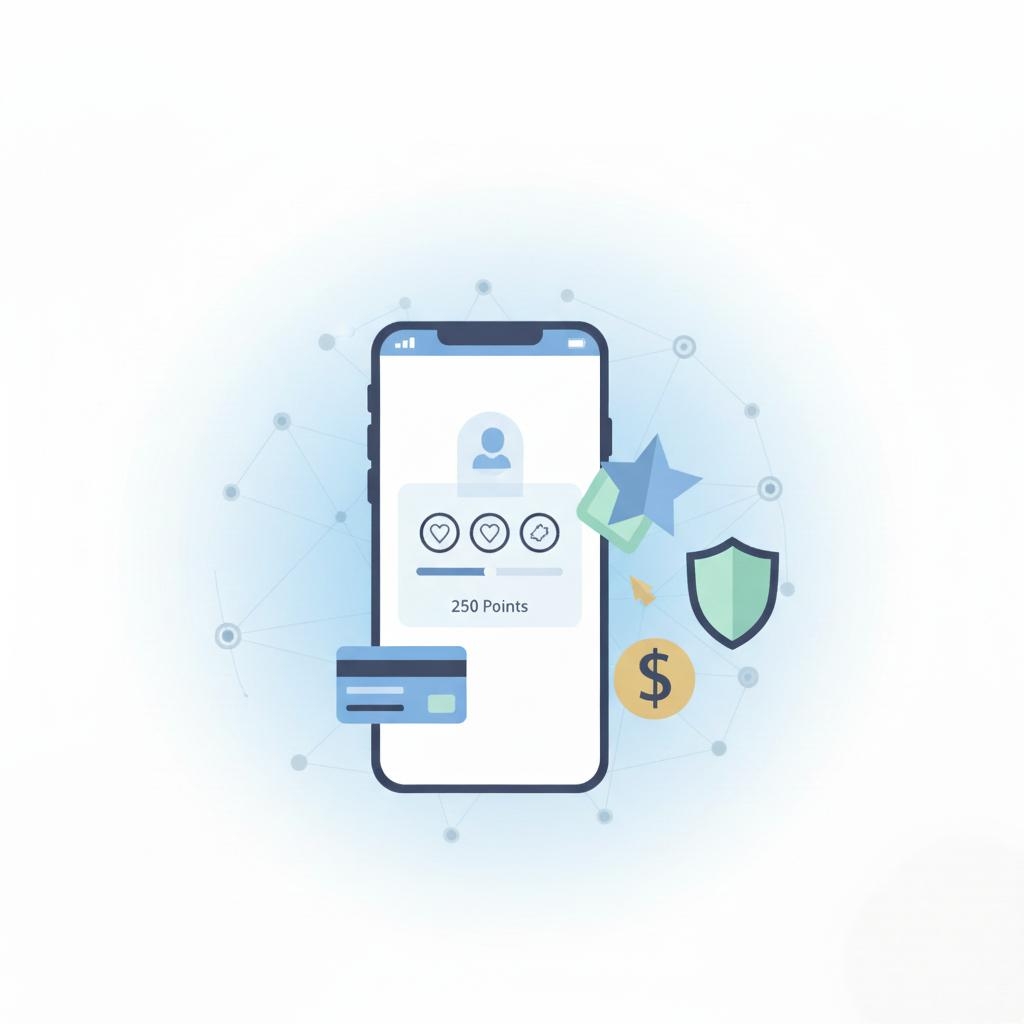
If you run a cafe, salon, barbershop, restaurant or any small-to-medium business you know just how hard it is to turn first-time customers into regulars. Most of the time you rely on good service, atmosphere or product quality — yet even that does not guarantee repeat visits. Imagine instead offering your customers something extra: a simple digital loyalty app that rewards every purchase, tracks their history, gives them stamps, points or membership benefits, and helps you stay connected. This change might feel small, but the results can be game-changing.
In this article I will explore why customer loyalty reward points, digital stamps and a smart store-locator built into a mobile-app ecosystem can be one of the most effective tools for small businesses today. You will understand how it works, why many businesses succeed with it, and how you can use it — even if you are a coffee shop, salon, restaurant or startup.
In today’s competitive market, businesses struggle not only to attract new customers, but also to keep the existing ones coming back. A well-designed loyalty programme built around points, stamps or membership rewards can make this easier. Research shows that loyalty programmes significantly improve customer retention and reduce churn. Loyal customers spend more on average, return more often, and tend to choose your business over a competitor’s even when the difference is small.
By offering reward points, digital stamps or milestone incentives, a loyalty system taps into psychological triggers: people love progress, recognition and tangible rewards. Whether a customer collects stamps toward a free coffee, earns points for a haircut, or unlocks special offers after reaching a certain membership tier, these small motivations add up.
Moreover, loyalty programmes raise the lifetime value of customers. Instead of seeing each sale as a one-off, businesses build long-term relationships. Data collected via loyalty apps also helps you understand purchasing patterns, preferences and customer behaviour. This insight allows you to tailor offers, personalise engagement, and improve your services over time.
Digital loyalty solutions also make things simpler and more sustainable. Unlike paper punch cards that customers lose or forget, digital stamps and points live in an app or online wallet — always accessible, always trackable. The risk of cards being lost or thrown away disappears, and you get reliable records.
For small and medium businesses especially, loyalty programmes can be more valuable than for large chains. Even without huge marketing budgets you can create meaningful customer relationships, increase repeat visits and get better return on each customer while building a loyal community around your brand.
Switching from the traditional, manual or paper-card loyalty methods to a digital, app-based loyalty programme offers a number of compelling advantages. First, digital stamps and points make reward collection seamless. Customers do not need to carry physical cards — they just tap, scan or log purchases in the app, and earning stamps or points becomes easy. For instance, adopting a digital stamp system can replace the old “buy X, get Y” punch card model, but with added convenience and data tracking.
Because the system is digital, it becomes easier to offer flexible reward schemes. You can allow simple stamp-based rewards, points per purchase, tiered rewards based on frequency or spend, milestone bonuses, or special incentives like birthday or event-based rewards. That flexibility helps you adapt to different customer types and business models, whether you run a coffee shop, salon, barbershop, restaurant or even a small retail outlet.
Another major benefit is data and insights. A proper loyalty app gives you access to full customer history — past bookings, invoices, purchases — all in one place. That lets you track customer behaviour over time, see which offers work best, and tailor marketing or promotions accordingly. Over time you learn which customers are your most loyal, what they buy, and how often they return.
At the same time, digital loyalty signals professionalism and modernity. For today’s customers, especially younger or tech-savvy ones, a smooth digital experience — app-based tracking, push notifications, or even store locator — adds convenience. A store locator built into the app helps customers find your branches or service points easily. For multi-location businesses or those expanding to new neighbourhoods, this can make a big difference.
Finally, digital loyalty programmes tend to scale better. As your customer base grows, the overhead of managing physical cards, tracking stamps manually, or dealing with lost cards grows too. With a backend admin system that handles points, stamps, memberships, reports, and business tools, you reduce manual effort, maintain accuracy and keep operations smooth even as you expand.
A loyalty app with points, digital stamps and store-locator functionality works for a very wide range of businesses. It is particularly strong for businesses where customers make frequent purchases or visits, or where you want to build long-term relationships rather than one-time sales.
Cafes and coffee shops are a classic example. Regular customers often return for weekly or even daily drinks. A loyalty programme gives them an incentive to keep coming back — maybe every 7th or 8th coffee is free, or after spending a certain amount they get a discount or free pastry. This simple reward encourages repeat visits and builds habit.
Beauty salons, barbershops and similar service-based businesses also benefit. Clients often return for haircuts, treatments, or styling on a recurring cycle. Rewarding them with points or stamps for every visit, or offering milestone incentives for repeated visits, encourages loyalty. Over time customers feel valued and are less likely to try a competitor.
Restaurants, bars and small retail shops can use loyalty systems to stand out from competition. When many businesses compete on price or ambiance, offering a loyalty programme gives you a competitive edge. Customers may choose you simply because they know their next purchase will bring them closer to a reward.
Even small startups or niche businesses with low frequency but high value purchases can benefit. A loyalty programme helps turn occasional clients into recurring ones, building a stable base instead of relying on one-time sales.
In short, any business that values customer retention, repeat sales, or long-term relationships — rather than just first-time sales — stands to gain from a well-integrated loyalty app.
If you consider using a loyalty app, there are some core features that can make or break its effectiveness. First, the system should support both points-based and stamp-based rewards. Points give flexibility: customers earn based on spend. Stamps are simple and easy to understand: after a certain number of visits or purchases they get a reward. A good system offers both and possibly milestone or tiered rewards depending on what fits your business model.
Second, the app should provide a robust backend admin panel. For businesses with multiple branches or services, backend control matters. You want to manage inventory, view reports, track customers, see redemption patterns, and maybe integrate with bookings or billing. A powerful backend makes it easier to run loyalty programmes across different segments — coffee, beauty, retail — without manual chaos.
Third, full customer history and account access is important. This means customers can see their past purchases, stamps or points, memberships, and redeem history. Transparency builds trust: when customers know what they have earned and what is pending, they feel more in control and more involved in the process.
Fourth, support for multiple platforms (iOS and Android) ensures accessibility. You don’t want to lose potential users just because they own a particular device. A cross-platform app reaches more customers and gives a smooth experience.
Finally, convenience features such as store locator, easy sign-up, digital membership card, push notifications, and membership-based perks (birthday incentives, exclusive offers, early access) make the loyalty experience feel premium, rewarding and effortless.
Offering loyalty rewards and stamps might seem like giving away freebies. But done right, a loyalty programme becomes an investment — and one that yields returns over time. A loyalty app changes the nature of customer relationships: it shifts from transactional to relational. Customers no longer see buying as a one-time activity but as a continuing journey with your brand.
When customers know they are earning points or stamps, they are more likely to plan their visits, buy more per visit, or choose you over a competitor. That increases purchase frequency and average order value. Over time, this builds substantial lifetime value per customer.
Loyalty programmes also strengthen brand loyalty, especially when paired with good service and consistent quality. Research shows that a well-managed loyalty programme improves store satisfaction and brand loyalty — customers who feel satisfied with both the service and the programme are far more likely to stay loyal.
Moreover, having a loyalty programme gives small businesses a competitive advantage. In markets flooded with similar options, loyalty becomes a differentiator — a reason for customers to choose you over others. Loyalty can also lead to word-of-mouth referrals, as satisfied regular customers recommend you to friends or family, often citing rewards and membership benefits as part of the appeal.
If you decide to adopt a loyalty programme, it helps to keep some best practices in mind. First, make reward structures simple and easy to understand. If customers need to spend too much or wait too long for a reward, engagement drops. A good goal is to make rewards feel attainable enough to motivate repeat behaviour. A “buy 7 coffees, get the 8th free” or “earn a free service after 5 visits” works well because it gives a clear, reachable incentive.
Second, combine points or stamps with occasional surprise perks or milestone bonuses. This could be double-stamp days, birthday offers, early access to new products, or tier-based upgrades. Surprising rewards break the routine and make customers feel appreciated beyond the ordinary.
Third, leverage your backend data. Track how often customers return, what they buy, which rewards are redeemed often, and which promotions work. Use that data to tailor offers for high-value customers and to adjust reward thresholds for better engagement. In effect, treat loyalty programmes as a marketing tool, not just a discount mechanism.
Fourth, communicate clearly. Let customers know they can earn rewards, how many points or stamps they have, what they need to do to get the next reward, and remind them about unused rewards or upcoming perks. Transparency builds trust and encourages continued participation.
Fifth, make it accessible. Offer loyalty through a mobile app, with easy sign-up, cross-platform support, clear user interface and straightforward redemption process. Ideally, the app should also act as a digital membership card and include helpful features like store locator or history log.
Finally, align rewards with your brand’s identity and values. If you are a cafe, maybe offer free drinks, pastries or seasonal specials. If you run a salon, consider discounts on services, free add-ons, or priority booking for loyal members. Personalised and relevant rewards create a stronger emotional connection with customers.
Implementing a loyalty programme is not just about boosting sales in the short term. Over the long term, a well-executed loyalty system becomes part of your brand identity, a promise that each customer’s loyalty and repeat business is valued and rewarded.
As customers accumulate points or stamps, they build familiarity and trust. They tend to plan their visits, look forward to new offers, and stay engaged with your brand beyond a single purchase. This not only boosts retention but also increases brand advocacy — loyal customers recommend you to others, sometimes purely because they like being part of an exclusive membership. That kind of organic growth is difficult to achieve through traditional advertising alone.
From the business perspective, you gain valuable data: purchase patterns, customer preferences, peak times, popular offers, redemption rates. Over time, this data helps you refine pricing, promotional calendars, inventory, service quality, and even expansion strategies. It gives you a clearer picture of your customers — not just first visits, but lifetime value and loyalty.
For small businesses, this can be a vital competitive advantage. Instead of competing solely on price or deals, you build relationships. Instead of getting sporadic one-time customers, you build a stable base that returns often, spends more, and stays engaged.
While many loyalty programmes focus only on points or stamps, combining these features — along with a store locator and robust backend system — creates a comprehensive loyalty ecosystem. This holistic approach offers flexibility for different business types, convenience for customers, and control for business owners.
Points systems work well for service-based or retail businesses where spend varies per visit. Digital stamps are simple and effective for high-frequency businesses like cafes or quick-service shops. A store locator adds a layer of convenience especially if you have multiple outlets or plan to expand. Customers can easily find which location is nearest, saving them effort and encouraging visits.
The backend admin panel — where business owners manage rewards, view reports, track redemptions, and monitor customer activity — becomes the brain of this system. It allows you to adjust strategies, offer personalised deals or plan marketing activities based on real data, not guesswork.
This combined approach also aligns with modern consumer expectations. Today people expect seamless digital experiences, on-the-go convenience, and personalised rewards. A loyalty app that fulfils those expectations not only matches what consumers want but often exceeds what competing businesses offer.
In a world where new businesses and competitors emerge every day, building a loyal customer base is one of the most powerful strategies you can choose. A loyalty programme based on reward points, digital stamps and a store-locator is not just a marketing gimmick. It is a strategic tool that drives repeat visits, builds long-term relationships, boosts customer satisfaction, and increases revenue.
For cafes, salons, restaurants, bars or small retail businesses, digital loyalty transforms the customer experience from a one-off transaction to an ongoing relationship. It rewards customers for their loyalty, makes them feel valued, and gives them reasons to keep coming back. For business owners, it offers control, insight, and a scalable system that grows as you grow.
If you have been thinking about how to improve customer retention, build a loyal community or upgrade your brand’s user experience, a loyalty programme is worth serious consideration. A simple, well-crafted loyalty app can change how your customers see your business — not just as a place they visit, but as a brand they belong to.