01 Jan 2026
In today’s competitive marketplace, offering good products or services is no longer enough. What sets successful businesses apart is not only the quality of their offering but also how they make customers feel valued and appreciated over time. A well-designed digital loyalty programme can make all the difference in building long-term relationships, encouraging repeat purchases and creating advocates for your brand. In this blog I explain how a digital loyalty system with reward points, digital stamps and store-locator features can transform small businesses — from coffee shops to salons — into customer magnets. I draw on insights from industry research and best practices to help business owners understand why such a system is essential for growth and customer satisfaction.
Many businesses treat each transaction as a single event. But real growth comes from customers who return — again and again. That is where a loyalty programme plays a vital role. By rewarding repeat behaviour, a loyalty programme reduces the cost of customer acquisition and increases customer lifetime value. Studies show that loyalty programmes create utilitarian benefits — like discounts or free items — but also hedonic and symbolic benefits. The hedonic benefit comes from the enjoyment of collecting stamps or points and being rewarded; the symbolic benefit comes from feeling part of a community or being a valued customer. Such programmes help customers feel acknowledged and connected to the brand, which raises overall satisfaction and encourages long-term loyalty.
In addition, modern customers increasingly expect convenience and flexibility. They want to track their rewards easily, redeem them on their own schedule, and check their purchase history. A digital loyalty platform provides exactly that — enabling seamless tracking, transparent rewards and a better user experience.
For businesses, loyalty programmes lead to more predictable revenue and better customer retention. When customers know they will be rewarded, they are more likely to return rather than shop elsewhere. This helps a business build a stable, loyal customer base over time rather than constantly chasing new customers.
Loyalty programmes come in various forms, but two major types dominate: points-based systems and stamp-based systems. A points-based programme credits a “virtual currency” to a customer’s account for every purchase or interaction. For example, you might earn a point per pound spent, or a fixed number of points for each purchase, and then redeem those points later for discounts, freebies or upgrades. This model is very flexible and can support sophisticated reward structures, including tiered benefits and dynamic redemption options.
On the other hand, a stamp-based (or “punch-card”) model resembles the traditional paper loyalty card but implemented digitally. For example, each time a customer makes a purchase, they get a stamp; after a set number of stamps — perhaps six or ten — they earn a reward such as a free product or a discount. This simplicity often appeals to customers because it is intuitive and immediate. Research has shown that for many small businesses, stamps outperform points when the goal is to encourage frequent repeat visits rather than accumulate long-term balances.
In a modern digital loyalty system, businesses no longer have to choose strictly between points or stamps. Advanced platforms combine both. You can run a stamps-based campaign for quick rewards and a points-based programme for tiered or long-term incentives. This hybrid approach gives businesses flexibility to design reward structures that match their customer behaviour and business model.
Moreover, digital loyalty systems offer additional benefits that physical card systems cannot match. There is no risk of lost or forgotten cards, no chance of stamps being forged or manually manipulated, and customers can access their entire purchase history, memberships and rewards status through an app or web portal.
For businesses, this also means access to valuable data. With a backend admin panel, you can analyse how often customers return, which rewards are most popular, which products or services drive loyalty, and tailor future promotions based on real user behaviour. This data-driven insight is far more powerful than random guesswork.
Finally, offering a seamless digital experience builds trust. Customers appreciate transparency, ease of use and control over their rewards. When they can see their full history — purchases, stamps, points, redemptions — they feel more confident. This not only enhances customer satisfaction but strengthens the brand’s credibility and authority.
One of the great advantages of a modern loyalty platform is its versatility. It can work equally well for a coffee shop, a barber shop, a salon, a restaurant, a bar, or even a small ecommerce startup. The underlying principle is the same: reward customers for repeat visits and make them feel appreciated.
For a coffee shop, a stamp-card model might be ideal. Every coffee purchased earns a stamp. After, say, six purchases, the customer gets a free drink. This encourages customers to favour the same shop consistently, building a habit. The simplicity of a stamp-based reward is especially effective in businesses with frequent, low-value transactions.
Meanwhile, a salon or spa might benefit more from a points-based or hybrid model. Each service (haircut, treatment, massage) could earn points proportional to spend or service complexity. Over time, loyal clients may redeem accumulated points for a free service, a discount, or a membership upgrade. This system rewards not just frequency, but also value and customer loyalty over time.
Restaurants, bars and more complex service-based businesses may appreciate the flexibility of a points scheme or hybrid model. Points can be adjusted based on spending levels, frequency, referrals, or special promotions. A hybrid system allows for tiered membership benefits — for example, regulars get more points per visit, or unlock milestone rewards after a certain number of visits.
Because such a loyalty system also comes with a robust backend control panel, business owners can manage inventory, monitor buying patterns, generate reports, track redemptions, and even manage marketing campaigns — all in one place. This eliminates the need for multiple separate systems and reduces admin overhead.
For a loyalty programme to actually deliver value — and not just be another gimmick — it must be designed thoughtfully. Here are some principles that many successful programmes follow, whether they use points, stamps or a hybrid model.
First, simplicity matters. If customers cannot understand how to earn and redeem rewards quickly, they are less likely to use the programme. In practice many businesses succeed when they keep stamps required for a reward around six to ten visits. That threshold is often attainable without too much effort, which keeps customers engaged without feeling overwhelmed.
Second, avoid overwhelming customers with too many different cards or offers. Offering multiple reward campaigns at once can be confusing. The more variations a customer has to track — different stamps per offer, different codes per shop location — the less likely they are to complete a reward. It is often recommended to limit the number of active card-type offers per location or customer to maintain clarity and engagement.
Third, give customers time to earn their rewards. Unrealistic expiry dates can discourage use. A generous or open-ended redemption window ensures that customers do not feel pressured or frustrated. This increases satisfaction and fosters goodwill.
Fourth, make the program visible and user friendly. Whether through a smartphone app, a membership portal or receipt-based tracking, customers must always be able to view their progress, history, and rewards status. Transparency builds trust, fosters engagement, and reduces friction at redemption.
Fifth, leverage data and personalisation. Digital programmes enable businesses to track purchase history, preferences and behaviour. With this data you can tailor offers and rewards to specific customers — for example, birthday discounts, milestone rewards, or special offers for high-spend customers. Personalisation makes customers feel valued as individuals, not just as transactional users.
Lastly, treat the loyalty programme as part of your overall customer experience, not a separate add-on. When the rewards system is integrated seamlessly with your business operations — bookings, billing, order history, inventory and marketing — it becomes a part of your brand identity and enhances customer satisfaction consistently.
The shift from physical stamp cards and paper punch-cards to fully digital loyalty systems is not a fad — it is the new standard. Many businesses that relied on plastic cards and paper punch-cards are now migrating to mobile apps, QR-based stamps and app-based point wallets. This shift is driven by both customer expectation and business efficiency.
Digital loyalty platforms offer convenience for customers and powerful tools for businesses. Customers no longer need to remember physical cards, and can manage their loyalty status via their phone. For businesses, digital systems offer data, analytics, reporting, scalability and integration with modern payment or booking systems.
In 2025, the tipping point for digital adoption is clear. As customer expectations rise, and as small and medium businesses compete for loyalty, digital programmes are increasingly becoming not just a nice-to-have, but a necessity.
Moreover, digital loyalty systems align with broader changes in consumer behaviour, including mobile-first shopping, online ordering, omnichannel customer journeys, and data-driven marketing. For modern businesses that want to stay competitive and relevant, such loyalty systems are an opportunity — not a burden — to grow smarter.
If you are a business owner running a coffee shop, salon, bar, restaurant, or any retail/service-based establishment, incorporating a digital loyalty app can be straightforward and highly beneficial. Begin by assessing your business model and typical customer behaviour. Are your customers frequent visitors who would appreciate quick rewards? Or are they occasional high-spend clients who value tiered, long-term rewards?
Next, decide which loyalty model suits you best. If you have frequent, low-spend transactions (for example, daily coffee purchases), a stamp-based model might be simplest and most effective. If your business caters to services or variable spend (like salon treatments or dining), a hybrid points-and-stamp model might offer the flexibility you need.
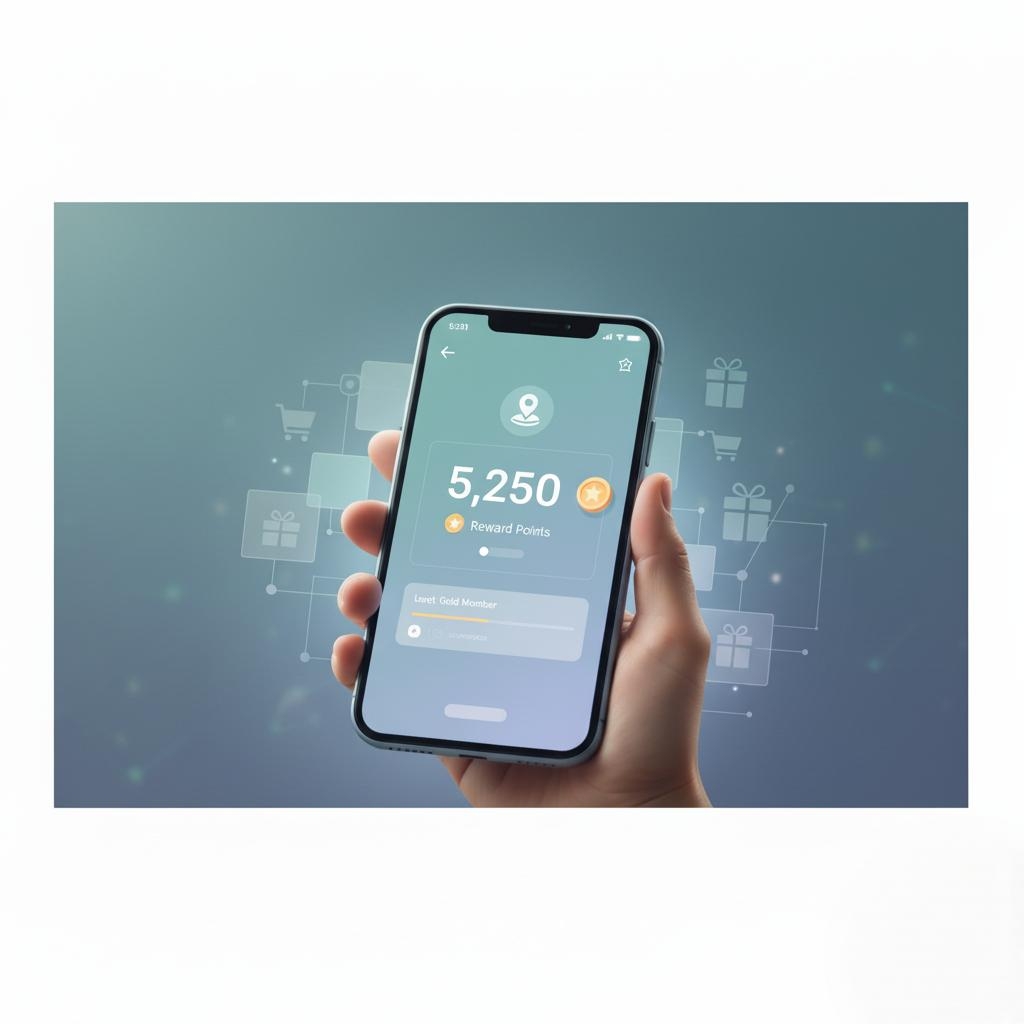
Then ensure that your loyalty system includes essential elements: a user-friendly mobile app (iOS and Android), a clean backend admin panel to manage rewards and track data, and transparent features like order history, invoices or membership history. These are critical for providing a professional, trustworthy experience to customers.
Also keep the rewards structure simple enough to be motivating but not exhausting. Many successful businesses set the reward threshold at six to ten stamps or an equivalent number of points. Make the redemption process easy, and avoid creating too many overlapping offers at once.
Finally, focus on communication and transparency. Inform customers about the loyalty programme, but do not overwhelm them. Let them see their progress, provide clear instructions, and celebrate their milestones. With the right approach, you can build not just repeat customers, but loyal advocates.
The difference between a half-hearted loyalty scheme and a fully integrated digital loyalty system is huge. A complete solution equips your business with tools to manage customer relationships, track purchase history, analyse data and reward loyalty seamlessly. This turns what could be a marketing gimmick into a strategic growth engine.
With purchase history, membership data, and rewards tracking all in one place you can personalise offers, reward your best customers, and check which promotions work best. This reduces wasteful marketing spending, improves customer retention and strengthens the overall brand-customer relationship.
Moreover, customers appreciate the clarity and convenience. By giving them control over their loyalty rewards — through a mobile app or portal — you build trust. Trust leads to stronger relationships, which leads to more repeat visits, word-of-mouth referrals and long-term business stability.
In a world where customers are bombarded with choices, giving them an extra reason to keep coming back can make all the difference. A well-implemented digital loyalty programme transforms ordinary transactions into meaningful interactions and turns one-time customers into loyal supporters.
Running a business today is not just about selling products or services. It is about building relationships, delivering consistent value and making customers feel valued. A digital loyalty programme with reward points, digital stamps, membership tracking and data intelligence helps you do exactly that.
By combining the simplicity of stamps with the flexibility of points, and pairing them with a robust backend system for tracking and analytics, you can create a loyalty programme that works for your business — whether a coffee shop, a salon, a restaurant or a startup.
The result is a win for everyone. Customers enjoy rewards, convenience and transparency. Businesses benefit from repeat purchases, higher customer lifetime value, better data and long-term relationships. In an age where customer experience defines brands, loyalty done right can be your strongest differentiator.
If you want to explore how a modern loyalty system can fit your business, now is the perfect time to start. Embrace the shift from physical cards to digital loyalty. Reward your customers not just for their money, but for their loyalty.