02 Feb 2026
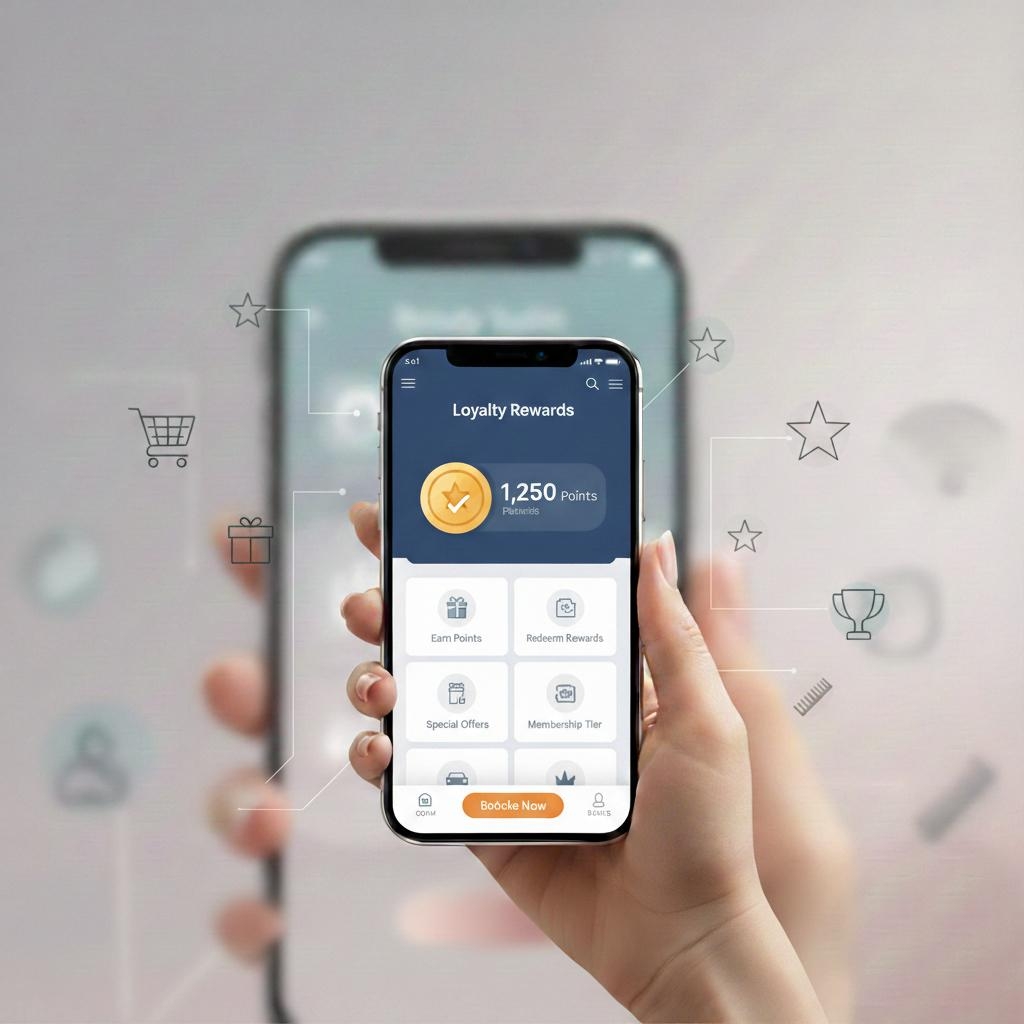
In today’s competitive retail and service environment, businesses are constantly seeking innovative ways to engage their customers and encourage repeat visits. Traditional loyalty schemes such as paper stamp cards or basic points systems have gradually lost their appeal, as modern consumers increasingly demand convenience, personalisation, and instant gratification. Digital solutions that combine loyalty reward points, customer stamps, membership management, and store locators have emerged as powerful tools to strengthen customer engagement while providing businesses with actionable insights. The evolution from manual loyalty programmes to fully integrated digital platforms represents a significant opportunity for retailers, coffee shops, salons, restaurants, and other service providers to enhance their customer experience and foster long term relationships.
Customer loyalty programmes are no longer simply a marketing tactic; they are strategic assets that influence purchasing behaviour, brand perception, and customer retention. A comprehensive digital loyalty solution enables businesses to reward their clients seamlessly while providing a modern, user friendly interface that aligns with customer expectations. Through integrated apps and backend management systems, businesses can track reward points, issue digital stamps for purchases, manage memberships, and offer incentives such as free products or exclusive offers. This approach not only encourages repeat business but also provides customers with transparency regarding their reward status and history, making every interaction more meaningful.
The importance of a well designed digital loyalty programme lies in its ability to combine convenience with engagement. Customers can access their reward points, redeem stamps, and discover nearby store locations through a single application on their iOS or Android devices. Notifications and reminders can inform users about expiring rewards, upcoming promotions, or milestone achievements, ensuring consistent interaction with the brand. For business owners, the platform consolidates all loyalty data, allowing for better insights into customer behaviour, sales patterns, and the effectiveness of promotional campaigns. By leveraging this information, businesses can make informed decisions about product offerings, marketing initiatives, and overall customer experience strategies.
Furthermore, a digital loyalty solution with a store locator feature bridges the gap between online engagement and offline sales. Customers can easily find the nearest branch or outlet, check opening hours, and plan their visits. This integration increases foot traffic, optimises store utilisation, and enhances overall customer satisfaction. The ability to combine rewards management with location based services creates a holistic loyalty experience that encourages frequent engagement while reducing friction in the customer journey. Businesses that embrace this integrated approach benefit from higher retention rates, improved customer lifetime value, and strengthened brand loyalty.
Digital loyalty systems provide a multi faceted approach to customer engagement, offering functionalities that extend far beyond traditional points accumulation. The core capabilities include reward points tracking, digital stamp management, membership tiers, milestone incentives, and real time customer insights. Each of these features is designed to make the loyalty experience more interactive, personalised, and rewarding for both the customer and the business.
Reward points tracking is a foundational feature that allows customers to accumulate points based on their transactions. These points can be redeemed for discounts, free products, or exclusive experiences, providing tangible value for continued engagement. Unlike manual systems, digital platforms ensure accurate tracking and prevent errors or loss of points, offering customers transparency and confidence in the programme. Businesses benefit from a clearer understanding of customer preferences, spending behaviour, and loyalty trends, enabling more targeted marketing strategies and promotions.
Digital stamps offer an engaging, gamified element to loyalty programmes. By earning stamps for each purchase, customers can progress towards rewards in a visually appealing and motivating manner. The digital format eliminates the risk of lost or damaged paper cards while making it easier for customers to monitor their progress and receive notifications when they are eligible for rewards. This feature is particularly effective for businesses such as coffee shops, salons, and casual dining establishments where repeat visits are frequent and milestone rewards encourage continued patronage.
Membership tiers and milestone incentives further enhance the loyalty experience by providing structured benefits based on customer activity. Higher tier members can enjoy premium rewards, exclusive offers, and early access to new products or services, incentivising increased spending and engagement. Milestone incentives celebrate key achievements such as reaching a certain number of visits or spending thresholds, creating memorable moments that strengthen emotional connections with the brand. Both strategies contribute to deeper customer relationships and foster long term loyalty.
The backend management panel is a critical component that empowers businesses to monitor, control, and optimise their loyalty programmes. Through a centralised interface, business owners can manage reward schemes, view detailed customer histories, generate reports, and track the performance of campaigns in real time. This operational oversight ensures that loyalty initiatives are both effective and adaptable, allowing for adjustments based on performance metrics and customer feedback. Integration with other business tools, such as inventory management or marketing automation, creates a seamless ecosystem that maximises efficiency and impact.
Store locator functionality integrates location intelligence with loyalty programmes, enabling customers to find nearby outlets, plan visits, and engage with local promotions. By combining reward opportunities with proximity information, businesses can drive foot traffic, support localised marketing efforts, and provide a more personalised customer experience. This feature also enhances convenience and encourages immediate redemption of rewards, bridging the online and offline experience in a cohesive manner.
Implementing a digital loyalty app provides strategic advantages that extend beyond immediate customer engagement. Businesses that adopt these platforms can benefit from increased customer retention, higher lifetime value, improved brand perception, and actionable analytics. Each advantage contributes to a stronger competitive position and a more resilient business model.
Customer retention is significantly influenced by the availability of a seamless, rewarding loyalty programme. Customers who feel valued and recognise tangible benefits for their engagement are more likely to return, make repeat purchases, and recommend the brand to others. This retention directly affects revenue stability and reduces marketing costs associated with acquiring new customers. A well structured loyalty app ensures that customers remain connected to the brand across multiple touchpoints, fostering consistent interaction and long term loyalty.
Higher customer lifetime value is achieved through targeted rewards, personalised offers, and milestone incentives. By encouraging repeat transactions and higher spend per visit, businesses can increase the profitability of each customer relationship. The data collected through the app allows businesses to identify high value clients, tailor promotions accordingly, and deliver experiences that resonate with specific customer segments. This analytical approach ensures that loyalty programmes not only reward engagement but also drive measurable financial outcomes.
Brand perception is enhanced through the adoption of modern, convenient, and user friendly digital solutions. Customers associate apps that simplify their interactions and provide real time updates with professionalism and reliability. Positive perceptions contribute to stronger word of mouth, higher customer satisfaction scores, and increased brand advocacy. In a crowded marketplace, the ability to differentiate through a superior loyalty experience creates a meaningful competitive advantage.
Actionable analytics derived from the app provide insights into customer behaviour, transaction patterns, and programme effectiveness. Businesses can monitor which rewards are most popular, track redemption rates, identify periods of high engagement, and adjust campaigns to maximise impact. This data driven approach supports continuous improvement, optimises resource allocation, and ensures that loyalty initiatives remain relevant and compelling.
The integration of multiple business types, such as coffee shops, salons, restaurants, and bars, demonstrates the versatility of modern digital loyalty platforms. By supporting various business models, apps allow enterprises of different scales and service offerings to implement customised loyalty solutions. This flexibility ensures that the platform is adaptable, scalable, and capable of supporting evolving customer expectations and market trends.
Successful implementation of a digital loyalty programme requires careful planning and adherence to best practices that maximise engagement, adoption, and business impact. Considerations include user experience design, reward structure, communication strategy, technology selection, and performance measurement.
User experience design is critical to adoption and satisfaction. The app should be intuitive, visually appealing, and easy to navigate, allowing customers to quickly access their points, view stamps, check rewards, and locate stores. Features such as push notifications, personalised messages, and interactive elements increase engagement and encourage regular use. Accessibility and cross platform compatibility for both iOS and Android devices further extend reach and convenience.
Reward structure must balance attractiveness with sustainability. Points, stamps, and milestone rewards should provide meaningful value without compromising profitability. Clear guidelines, visible progress indicators, and timely notifications ensure that customers understand the benefits and are motivated to engage consistently. Offering tiered rewards or exclusive incentives for high engagement levels encourages deeper participation and fosters loyalty over time.
Communication strategy enhances the effectiveness of the programme. Timely updates, reminders about expiring points, promotional campaigns, and personalised offers maintain customer interest and prompt action. Integrating email, push notifications, and in app messages creates a cohesive approach that keeps the brand top of mind while supporting ongoing engagement. Providing support channels such as chat or helpdesk ensures that customers can resolve issues promptly, reinforcing trust in the programme.
Technology selection is a foundational consideration. Choosing a platform with robust backend management, analytics, and integration capabilities ensures long term sustainability and scalability. Features such as real time tracking, secure data storage, and compatibility with existing business systems streamline operations and reduce administrative burden. Regular updates and maintenance ensure that the platform remains reliable, secure, and aligned with evolving customer needs.
Performance measurement allows businesses to evaluate programme effectiveness and guide continuous improvement. Key metrics include enrolment rates, active users, points redemption, customer retention, transaction frequency, and satisfaction levels. Monitoring these metrics supports data driven decision making, enabling businesses to optimise campaigns, refine reward structures, and enhance the overall customer experience.
By implementing these best practices, businesses can maximise the impact of their digital loyalty programme, fostering engagement, satisfaction, and long term profitability. A comprehensive platform that integrates rewards, stamps, membership management, and store location features positions enterprises for success in a competitive landscape.
The landscape of customer loyalty programmes is constantly evolving, driven by technological advancements, shifting consumer expectations, and competitive pressures. Emerging trends include personalised loyalty experiences, AI powered recommendations, gamification, and omnichannel integration, all of which enhance engagement and provide measurable benefits for businesses.
Personalisation is becoming a standard expectation. Modern apps leverage purchase history, browsing behaviour, and demographic insights to deliver tailored rewards, offers, and communication. Personalised experiences increase relevance, strengthen emotional connections, and improve engagement rates. Customers are more likely to participate in programmes that reflect their preferences and acknowledge their loyalty in meaningful ways.
AI powered recommendations enhance decision making and user experience. By analysing patterns in customer behaviour, artificial intelligence can suggest relevant rewards, promotions, or next purchases. Predictive analytics allow businesses to anticipate customer needs, optimise reward structures, and improve retention through proactive engagement. The integration of AI supports smarter, more efficient loyalty management that benefits both the business and the customer.
Gamification adds an interactive, motivating dimension to loyalty programmes. Features such as challenges, milestone badges, leaderboards, and achievement notifications create a sense of fun and accomplishment. Gamification increases engagement frequency, encourages repeat visits, and fosters a stronger emotional connection with the brand. When combined with digital stamps and reward points, gamification transforms the loyalty experience into a dynamic and compelling journey.
Omnichannel integration ensures consistency across all touchpoints. Customers expect seamless experiences whether interacting via mobile app, website, in store, or through social media channels. Integrating loyalty programmes across these channels increases convenience, reinforces brand presence, and maximises opportunities for engagement. Real time synchronization of points, rewards, and membership status enhances transparency and simplifies the customer journey.
In conclusion, digital loyalty platforms that integrate reward points, digital stamps, memberships, incentives, and store locators are transforming the way businesses engage with their customers. By combining convenience, personalisation, and actionable insights, these solutions strengthen customer relationships, enhance brand perception, and drive long term profitability. Businesses that adopt these modern loyalty systems position themselves to meet evolving consumer expectations, remain competitive, and foster meaningful, rewarding interactions with their clients.